Protecting children from sexual abuse in the family environment
This article from the Lancet reflects on a recent report from the UK Government highlighting the gaps in the multi-agency response to child sexual abuse within the family environment.
This article from the Lancet reflects on a recent report from the UK Government highlighting the gaps in the multi-agency response to child sexual abuse within the family environment.
This article from the Lancet explores parental migration and its effect on children who are left behind in the context of Sub-Saharan Africa.
This note aims to provide detaining authorities with key information and steps to respond to COVID-19.
This interim guidance is for Long-term care facility (LTCF) managers and corresponding infection prevention and control (IPC) focal persons in LTCF. The objective of this document is to provide guidance on IPC in LTCFs in the context of COVID-19 to 1) prevent COVID-19-virus from entering the facility, 2) prevent COVID-19 from spreading within the facility, and 3) prevent COVID-19 from spreading to outside the facility.
To develop the capacity of Red Cross Red Crescent psychosocial workers to adequately address the PSS needs in the Ebola outbreak, guidance materials and PowerPoint presentations are available here for download, along with a three-day programme to train trainers who are able to further disseminate the PSS knowledge and skills to frontline workers.
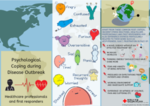
This leaflet offers mental health and psychosocial support messages developed by Hong Kong Red Cross for healthcare professionals and first responders during disease outbreak.
This briefing note provides background knowledge on the MHPSS aspects related to nCoV and suggests MHPSS activities that can be implemented.
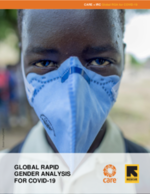
This report is for humanitarians working in fragile contexts that are likely to be affected by the COVID-19 crisis. It is organised around broad themes and areas of focus of particular importance to those whose programming advances gender equality and reduces gender inequalities.
This resource describes how the IFSW ethical principles can serve as a compass to guide social workers' deliberations during the COVID-19 crisis.