Displaying 1 - 10 of 191
This article describes how child protection system activity in Australia remained largely stable between 2014–15 and 2023–24 despite significant increases in government spending and variation across states and territories. High rates of repeat involvement and rising substantiated emotional abuse cases indicate persistent unmet needs, underscoring the importance of earlier, preventive support for children and families.
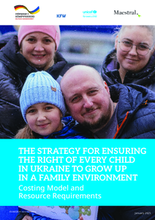
The Costing Model and Resource Requirements report presents a comprehensive financial analysis of Ukraine’s National Strategy to ensure every child grows up in a family environment. It estimates the resources required to implement the Strategy and its multi-year implementation plan across national, oblast and hromada levels, with a focus on strengthening families, expanding family-based care, reintegrating displaced children and transforming institutional care.
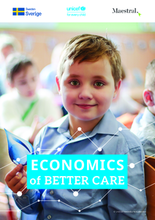
This paper outlines the economic case for investing in family- and community-based care as a foundation for children’s well-being and long-term human capital development. Focusing on Ukraine, the paper highlights systemic underinvestment in social services and argues that rebalancing public spending toward an integrated “cash plus care” approach would generate significant economic and social returns.
This package of materials encompasses a comprehensive costing framework for scaling two key care reform models implemented by the Changing the Way We Care initiative in Kenya—Kafaalah and Case Management for Reintegration.
This resource presents a costed policy study on investing in disability-inclusive and gender-responsive community care and support systems across the life cycle in Kenya, developed by the Ministry of Labour and Social Protection.
This report examines the challenges faced by local authorities in providing cost-effective, high-quality residential care for looked-after children in England, where numbers have risen to 83,630 as of March 2024.
This review explores South Africa’s foster care grant system, highlighting how rising numbers of children in foster care have strained social workers and overwhelmed the system. It examines challenges such as lapsing foster care orders, dependency concerns, and unsustainable practices, while offering recommendations to strengthen the system and better support children and families.
The Kafaalah Costing Tool Template is an Excel-based costing tool that designed to analyze of historical costing data from Changing the Way We Care’s demonstration work in Kenya related to Kafaalah.
Christians have a long-standing involvement in the care of children, both at home and overseas, with many of those at the forefront of establishing orphanages and residential settings motivated by their faith to take action.
In this interview, BCN’s Senior Technical Advisor, Rebecca Nhep, speaks with Laura Horvath, from Helping Children Worldwide, about the impact of child sponsorship programs on the transition of residential care services and post transition family strengthening programs.