Displaying 251 - 260 of 476
Delphine Moralis discusses the 10,000 refugee children that have gone missing in the EU.

This review is intended to provide Barnardo’s with an overview of what ‘direct work’ with young people entails in the context of CSE.
This briefing paper is for social workers. It brings together key messages from research on child sexual exploitation with implications for practice and should be read in conjunction with guidance for professionals.
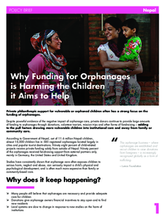
This policy brief from the Elevate Children Funders Group describes how private donors add to "the pull factors drawing more vulnerable children into institutional care and away from family or community care" in Haiti.
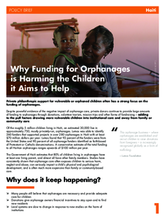
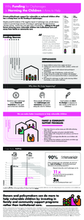
This infographic from the Elevate Children Funders Group describes how private donors add to the "pull factors drawing more vulnerable children into institutional care and away from family or community care."
This briefing note has been written to give Australian charities currently engaging with overseas residential care institutions an overview of the issue and an understanding of some of the potential ramifications of the proposed Modern Slavery legislation.
This newsletter issue from Senator Linda Reynolds of Western Australia, written in conjunction with Kate van Doore of Griffith Law School, was written in preparation for the Australian Parliamentary inquiry on modern slavery and describes the ways in which orphanage trafficking constitutes modern-day slavery.
This document provides analysis of child protection needs and risks at the government level to support child protection actors in programmed development, resource mobilasation and advocacy.
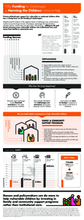
This infographic from the Elevate Children Funders Group describes how private donors add to "the pull factors drawing more vulnerable children into institutional care and away from family or community care" in Haiti.
This policy brief from the Elevate Children Funders Group describes how private donors add to "the pull factors drawing more vulnerable children into institutional care and away from family or community care" in Nepal.