Displaying 671 - 680 of 859
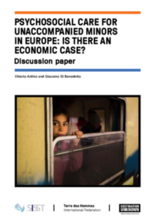
This chapter from the book 'A long way to go: Irregular migration patterns, processes, drivers and decision-making,' discusses the global trends in the migration of unaccompanied minors in recent years.

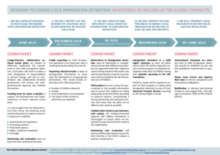
This roadmap to ending the detention of children in immigration from the Initiative for Child Rights in the Global Compacts outlines the commitments, examples of practice, reference documents, and guidelines for each stage of the strategy from June 2019 to June 2025.
This document aims to provide an overview of the scope of activities of the International Organization for Migration (IOM) in relation to the protection of unaccompanied migrant children and support for this group.
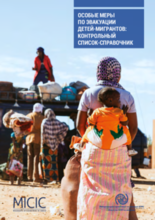
Контрольный список входит в состав инструментария, разработанного МОМ в качестве технического руководства по практическому применению Руководящих положений Инициативы МИСИК, включая руководящее положение 13: Переселение и при необходимости эвакуация мигрантов. Это свод не имеющих обязательной силы рекомендуемых действий, направленных на то, чтобы потребности детей-мигрантов в особой защите были учтены в ходе гуманитарной эвакуации. С помощью этого функционального инструмента государства и международные организации смогут соблюсти принципы защиты детей (ЗД) при организации гуманитарной эвакуации, учитывая индивидуальные условия уязвимости детеймигрантов и обеспечивая их потребности до, во время и после эвакуации. Подразумевается, что рекомендуемые действия будут в полной мере внедрены в операции по всеобщей эвакуации; они не предполагают организации отдельного процесса эвакуации детей.
Extracting on chronologic data, this book discusses the politics and practice of intercountry adoption starting with the state international adoption to in the 1950s continuing to present-day adoption practice and protections.

This report from the Immigrant Legal Resource Center of the United States highlights the connections between US immigration policy and the child welfare system, particularly the criminalization of undocumented immigrants and its impact on foster care in the US.
This Save the Children case study aims to briefly describe the process of developing specialised training package for foster care of Unaccompanied and Separated Children in Serbia, its key components and main lessons learned from the process.
Using a sample of 916 children (aged 5–18) of migrants and the life course perspective, this article examines the impact of parental migration on children's health.
This video from The Guardian discusses how six weeks after the Calais migrant camp was demolished, unaccompanied minors were transferred around France and are still waiting to hear from the Home Office.

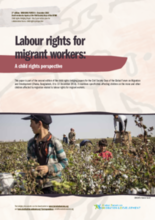
This paper is the sixth of the second edition of the child rights bridging papers for the Civil Society Days of the Global Forum on Migration and Development (Dhaka, Bangladesh, 8 to 10 December 2016).