Displaying 721 - 730 of 1810
This paper reflects on: what’s better or not after 30 years; whether legislation and financing are aligned with child welfare’s goals of safety, permanency and well-being; and what remains to be done to improve the outcomes of children and youth in foster care or otherwise involved with child welfare.
This situation analysis provides a timely assessment of progress for children, achievements to date, and remaining challenges and barriers to the realization of children’s rights in Rwanda.
This online course on implicit bias was developed by the Center for the Study of Social Policy (CSSP) and the Kirwan Institute for the Study of Race & Ethnicity to aid practitioners in understanding and addressing racial bias in the US child protection system.
The chapter presents a critical analysis of the reception system for non-asylum seeking unaccompanied migrant children in Calabria, a region of South Italy.
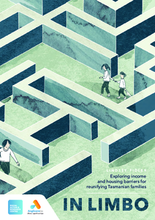
This report looks at the nature and extent of the income and housing challenges faced by Tasmanian families who have had children removed by Child Safety Services, and the impacts those challenges may have on positive family reunification outcomes.
The guidelines for Case Management and Referral for Child Protection Systems in Kenya is a reference material to guide different actors on how to carry out comprehensive case management and referral and defines the role of the government, civil society organizations, the communities, the family and the child to complement each other.
This article examines the practice of child-centered principles in the UK child protection and public child law systems.
This research brief is based on a baseline study carried out in the first phase of the Child Migrants Along the Abidjan-Lagos Corridor (CORAL) project to help identify situated approaches to implementation, drawing evidence from all five countries but aiming for locally specific actions and solutions.
This article explores current child protection services and programs in the United States and offers suggestions for development of new child protection programming to further meet the needs of vulnerable children.
This document includes protocols, procedures and guidelines for anyone within Save the Children South Africa to prevent and respond to child protection concerns when they arise.