Displaying 191 - 200 of 1531
This paper explores the impact of the Power to Kids: Respecting Sexual Safety programme, which involved capacity‐building workers to have ‘brave conversations’ with children and young people in residential care.
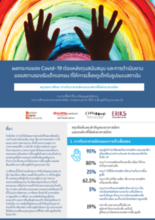
เอกสารสรุปนี้ดึงข้อมูลและผลการวิจัยจากรายงาน: ผลกระทบของ COVID-19 ต่อสถาบันการดูแลที่อยู่อาศัยที่ดำเนินการโดยเอกชน: ข้อมูลเชิงลึกและนัยสำหรับการสนับสนุนและการให้ความรู้
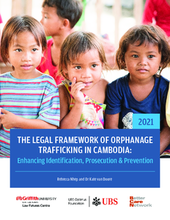
Orphanage trafficking occurs at the nexus of criminal law (human trafficking offences) and child protection regulation. This report examines the intersection of these two legal systems for the purpose of developing a strategy to identify and prosecute orphanage trafficking.
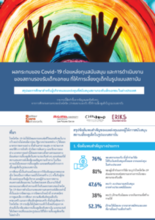
การศึกษานี้เป็นงานวิจัยเชิงคุณภาพขนาดเล็กที่เกี่ยวข้องกับการสัมภาษณ์แบบกึ่งโครงสร้าง 21 ครั้งกับผู้ก่อตั้ง ผู้ให้ทุน และผู้อำนวยการ RCI ใน 7 ประเทศ ได้รับการออกแบบมาเพื่อให้เข้าใจผลกระทบของโควิด-19 ได้ดีขึ้นในการดำเนินงานของสถาบันการดูแลที่อยู่อาศัย ซึ่งรวมถึงการจัดหาเงินทุน การจัดหาบุคลากร อาสาสมัคร การดูแลเด็ก การศึกษา ความสัมพันธ์ในครอบครัว และการรวมตัวกลับคืนสู่สังคม
Estudio orientado a la transformación de servicios de cuidado residencial a familiar y comunitario de la niñez y adolescencia en Guatemala.
This chapter reviews the state of the art in the study of caseworkers' psychosocial processes underlying the out-of-home placement decision following instances of child maltreatment by integrating existing literature on both child protection and social psychology.
This study was a small-scale piece of qualitative research that involved 21 semistructured interviews with founders, funders, and directors of RCIs across 7 countries. It was designed to better understand the impacts of COVID-19 on the operations of residential care institutions including funding, staffing, volunteering, children’s care, education, family connection and reintegration.
This case study is drawn from the Impact of COVID-19 on Privately Run Residential Care Institutions Study. It presents a summary of the account given by one participant.
This briefing paper draws on data and findings from the report: Impact of COVID-19 on Privately Run Residential Care Institutions: Insights and Implications for Advocacy and Awareness Raising.
The study sought to reveal socio-psychological factors of successful integration of institutionalized adolescents into mainstream schools.