
Displaying 241 - 250 of 1119
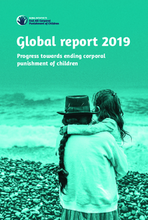
The Global Initiative to End All Corporal Punishment of Children has launched the Global Report 2019, tracking progress towards universal prohibition of corporal punishment.
In this study, the authors aim to help clarify the pathway from parental supervisory neglect to peer victimization through the mediating roles of self-esteem and internalizing problems among adolescents in South Korea.
SafeCare® is a home‐based intervention programme targeting parents of children up to 5 years old and is designed to reduce and even prevent child abuse and neglect. This article presents an evaluation of a pilot trial of SafeCare® in Israel, examining family's outcomes.
This report summarises findings from a joint targeted area inspections of ‘the multi-agency response to child sexual abuse in the family environment’ in the UK, which took place between September 2018 and May 2019. The findings in this report consider the extent to which children’s social care, health professionals, youth offending services, the police and probation officers effectively work together to safeguard children who are subject to, or at risk of, sexual abuse in the family environment.
This paper reports on an empirical study of child protection services in a local authority where rates of investigations and interventions rose to unprecedented levels during the course of a single year.
Focusing on the life histories of children and young people living in residential care, this study explores the circumstances of their entry into residential care and their interpretations of these experiences.
The purpose of this study was to examine associations between child protection involvement and 3rd- and 5th-grade reading and numeracy attainment, while controlling multiple other adversities.
This study used survey results to examine relationships between parental adverse childhood experiences (ACEs) and protective factors among a sample of 581 parents with young children (≤5 years) who were enrolled in child maltreatment prevention programs.
The objective of this study was to compare the effects of poverty and physical neglect on the development of problematic externalizing and internalizing behaviors, adaptive skills, and school problems among school children between the ages of 3 and 12.
The purpose of the study was to evaluate the associations between child maltreatment, cognitive schemas of disconnection/rejection reported in emerging adulthood, and social support perceived in emerging adulthood among young women who have exited placements in residential care.