
Displaying 131 - 140 of 551
The "Children of War" platform was created on behalf of the Office of the President of Ukraine as a tool for finding children, rescuing them and liberating them from places of forced displacement or deportation.
МЕТОЮ ЦЬОГО ДОКУМЕНТУ З РЕКОМЕНДАЦІЯМИ є надати певну рамку для підтримки фахівців-практиків і посадовців, відповідальних за вироблення політики у сфері опіки та піклування над дітьми, як в Україні, так і в країнах, які приймають біженців, у рамках заходів реагування, що стосуються опіки та догляду за дітьми в контексті України у відповідності до міжнародних стандартів і належної практики у сфері опіки та піклування та забезпечення альтернативних форм догляду.

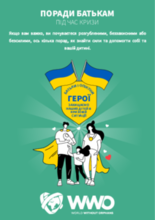
This video and attached parenting tips offer simple and practical recommendations for Ukrainian parents on how to help themselves and their children to overcome various crisis situations.
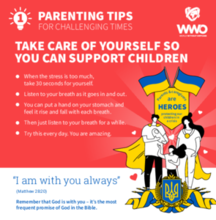
У цьому відео ми пропонуємо прості і практичні рекомендації про те, як у цей непростий час допомагати собі та своїм дітям долати різні кризові ситуації.

This paper contributes to the scholarship on refugee law and resettlement by exploring the ways in which the crisis in the Uyghur homeland in Turkey has impacted and continues to impact Uyghurs’ refugee narratives and priorities as they reorganize their lives in the diaspora.
The aim of this systematic review is both to summarize findings regarding the prevalence of mental health disorders among unaccompanied refugee minors (URM) in European countries since the last available systematic review (October 2017), and to describe associated risk factors.
Under the auspices of the Ukraine Children’s Care Group, one of two learning events were held in July and September 2022. This event, "Addressing the need for foster care in the context of the Ukraine crisis", was held on September 7th in collaboration with HDPI. It focused on better understanding the foster care systems and services in Ukraine and neighbouring countries hosting Ukrainian refugee children, specifically Poland, Romania, and Moldova.


The objective of this article is to identify those situations where the families of fostered unaccompanied migrant children are made visible in order to favor the incorporation of these families into the pathway planning. The fieldwork was carried out in Spain and involved working groups with specialized professionals.
Drawing from a review of global reports and case studies, as well as from information sourced from Global Social Service Workforce Alliance members, this report brings to light the critical role of the social service workforce in different humanitarian contexts—including those related to armed conflict, natural disasters and widespread disease outbreaks—and across the emergency management cycle. It further highlights the challenges and key areas of learning in deploying social service workers in humanitarian contexts.
The aim of this guidance document is to provide a framework to support child protection practitioners and policymakers working both inside Ukraine and in host countries to implement responses related to children’s care in the context of Ukraine in line with international standards and good practice on children’s care and the provision of alternative care.
