Displaying 911 - 920 of 978
Examines how a rights-based approach can provide a firm foundation for framing priorities and responses to children and families affected by HIV/AIDS.
Outlines how to strengthen social protection, legal protection, and alternative care for children at country level. Contains specific actions that governments and NGO's can take to decrease the vulnerability of children affected by AIDS and respond to instances of abuse, exploitation and neglect.
This document contains a bibliography global conditional cash transfer documents.
Identifies strengths and weaknesses of services offered to OVC in South Africa. A detailed list of recommendations suggests improvements to services.
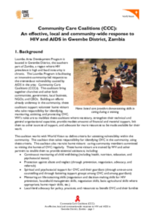
Short document outlining the constitution, role, and work of community care coalitions in Gwembe District, Zambia. Includes lessons learned and recommendations.
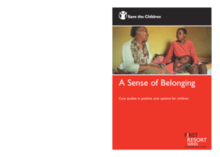
Save the Children's "First Resort" series focuses on the needs and rights of children who, for a wide variety of reasons, are lacking adequate parental care. This third paper in the First Resort series presents practical examples of the range of options available to policy-makers, practitioners and others with responsibilities for the care and protection of children without adequate parental care.
Advocates for the right of children with disabilities to live in the community. Provides recommendations on how to ensure a successful transition from institutional to community-based care. Focuses on the importance of family support and the right to education.
A study that looks at the response of faith-based organizations in Kenya, Malawi, Mozambique, Namibia, Swaziland, and Uganda. The report contains statistical information, and details positive care practices to build on, and negative examples to avoid.
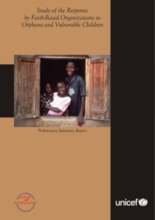
A set of standards for agencies that provide child care/day care services within the family home e.g. nannies, child minders, and babysitters.
This report captures the discussions and activities from a workshop held in Kathmandu, Nepal on 17-19 October 2005 on engaging men as caregivers. The report presents a background and rationale, the expectations and objectives of the workshop, and an overview of work being done to engage fathers both in the region as well as globally.