
Displaying 591 - 600 of 859
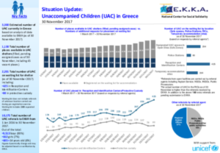
This infographic outlines the key facts and figures of unaccompanied youth in Greece including the number and places of UAC Shelters and Safe Zones, the number of children on the waiting list for UAC shelters, and more.
This paper is based on a review of 20 multi-national European Commission funded projects about child trafficking.
This Note focuses on an Advisory Opinion issued by the InterAmerican Court of Human Rights (“the Court”) regarding the rights and guarantees of migrant children and their need for international protection.
The purpose of this article was to describe the phenomenon of toxic stress and its impact on the physical and mental health of child refugees.
The Committee on the Rights of the Child (CRC Committee) and the Committee on the Protection of the Rights of All Migrant Workers and Members of Their Families (CMW Committee) jointly adopted two general comments on the human rights of children in situations of international migration.
This joint comment lays out recommendations for protecting the rights of unaccompanied minors as well as those who have been separated from their families due to migration.
This is the first controlled study of an expressive arts group intervention with unaccompanied minor asylum seeking children. The aim of the study was to examine whether such an intervention may alleviate symptoms of trauma and enhance life satisfaction and hope.
This article explores the need for, and benefits of, personalized educational plans, particularly language courses, for unaccompanied migrant children in Italy.
This article explores the mental health outcomes for unaccompanied refugee minors (URM) and offers recommendations for improving psychological wellbeing.
This article focuses on the experiences of women who have been resettled in Australia as refugees from Africa, and who have, upon their resettlement, had their children forcibly removed from their care as a result of concerns over child protection.