
Displaying 511 - 520 of 1062
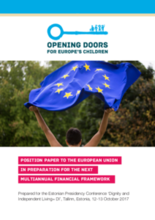
This position paper from Opening Doors for Europe's Children explains the position of the organization in regards to the EU's Multiannual Financial Framework and the measures within it to support or inhibit the transition from institutional care to family-based care of children.
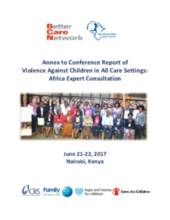
This Annex compiles the presentations delivered at the 21-22 June 2017 Africa Expert Consultation on Violence Against Children in All Care Settings and is intended to accompany the Final Report of the meeting.
Resulting from the June 2017 Africa Expert Consultation on Violence against Children in All Care Settings and adopted by all participants, this Declaration calls upon leaders at national, sub-regional, pan-African and global levels for further action to fulfill their obligation to protect children against violence in all care settings, with emphasis on alternative care.
High prevalence of sex tourism in Zanzibar has spurred a five year National Action Plan to end violence against children and women on the island.
The report compiles information from a series of global research papers commissioned by Know Violence, presenting the scale and scope of childhood violence globally. Examples of preventative efforts from governments, communities, and organizations are provided to illustrate the feasibility of preventing violence on local and national levels.
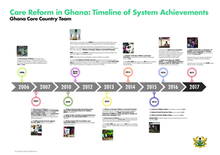
This infographic provides a historical timeline of the alternative care reform process in Ghana, marking key achievements in the establishment of policies, guidelines, procedures, and programs to improve the quality of care and protection for children without adequate family care.
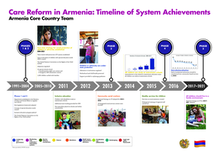
This infographic provides a historical timeline of the alternative care reform process in Armenia, marking key achievements in the establishment of policies, strategies, guidelines, procedures, and programs to improve the quality of care and protection for children without adequate family care.
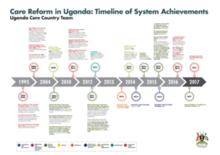
This infographic provides a historical timeline of the alternative care reform process in Uganda, marking key achievements in the establishment of policies, guidelines, procedures, and programs to improve the quality of care and protection for children without adequate family care.
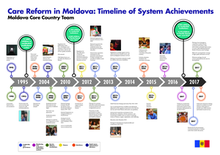
This infographic provides a historical timeline of the alternative care reform process in Moldova, marking key achievements in the establishment of policies, guidelines, procedures, and programs to improve the quality of care and protection for children without adequate family care.
This presentation by key actors in children's care reform in Ghana provides an overview of the demographic data of Ghana and offers a thorough review of the situation of children's care, and care reform efforts, in the country.
