Displaying 531 - 540 of 1062
This study provides a background on the historical, cultural, and social circumstances in Ukraine as it relates to the continued institutionalization of children in the country, despite efforts for reform.
The 24 chapters of this book contain research examining the institutionalization of children, child abuse and neglect in residential care, and interventions preventing and responding to violence against children living in out-of-home care settings around the world.
This chapter of Child Maltreatment in Residential Care provides a background on the development of the child welfare system in Turkey, focused on the transition from institutional care toward family-based care and higher standards for institutions.
This chapter of Child Maltreatment in Residential Care describes the progression of changes in China's child care and protection policies to reduce the use of institutional care for children and increase efforts toward family strengthening and family-based models of alternative care.
This chapter of Child Maltreatment in Residential Care describes the history of child care institutions in the Russian Federation and the legislative changes implemented to improve the situation of children living in residential care settings.
This study, commissioned by ChildLinK, critically examines the factors of child neglect by caregivers in Guyana and offers recommendations for key stakeholders across various disciplines.
This article highlights the challenges to reforming care policy and provides recommendations for those working to create policies that increase family-based care and decrease institutional care at the national level.
This report examines and shares learnings from ATD Fourth World UK's social work practice framework with families experiencing poverty, discussing its strengths-based collaborative approach to build relationships and reduce power imbalances between practitioners and families. Implications for the feasibility of implementing this framework in child protection social work practice and policy in Aotearoa New Zealand is also addressed.
On 21-22 June 2017, the African Child Policy Forum and Better Care Network - with the support of Catholic Relief Services, Family for Every Child, Hope and Homes for Children and Save the Children - convened 40 leaders representing child rights bodies, regional economic communities, national governments and civil society in Nairobi, Kenya for the Africa Expert Consultation: Violence Against Children in All Care Settings.

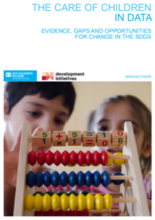
This briefing paper underlines the issue of the lack of accurate and reliable data on children outside family care and provides insight on how to move forward in closing the data gap to ensure all children are counted.