
Displaying 61 - 70 of 1062
At the close of the Changing the Way We Care (CTWWC) The Changing the Way We Care (CTWWC) initiative launched in 2018 with the aim to reform child care systems by promoting safe, nurturing family-based care over institutional ca
This report assesses Scotland’s efforts to fulfil The Promise—a national commitment made in 2020 to overhaul the country’s care system so children and young people “grow up loved, safe and respected.” It identifies significant persistent challenges in three key areas: governance and accountability, data and measurement, and resources and investment.

This report from the UK Children’s Commissioner, Dame Rachel de Souza, reviews progress and challenges in children’s social care since she began her term in 2021. It highlights persistent failures to uphold children’s rights and presents a vision for transformative reform centered on those rights.
This toolset provides a concise, adaptable framework to help national leaders and stakeholders strengthen child protection systems that prioritize family-based care. It distills key international standards and guidance into accessible materials to support informed, strategic conversations on building “Family-First” systems for all children.
The Disability Inclusive Child Protection Systems Strengthening Resource (DI-CPSS) is a practical guide for improving disability inclusion in child protection systems within the framework of the UNICEF child protection systems strengthening (CPSS) approach.
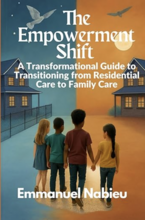
In The Empowerment Shift, Emmanuel "Nabs" Nabieu—who once grew up in an orphanage himself—offers a clear, practical roadmap for transforming how we care for vulnerable children.
Este documento es un estudio de caso basado en la historia de transformación del Hogar Esquipulas, liderada por la Asociación de Religiosas Franciscanas de San Antonio en Esquipulas, Chiquimula, Guatemala, representa un testimonio inspirador del compromiso profundo con el bienestar de los niños, niñas y adolescentes.

L’Observation générale n°10 de l’ACERWC fournit des orientations faisant autorité sur la mise en œuvre de l’article 25 de la Charte africaine, en clarifiant les obligations des États de protéger et de soutenir les enfants privés de soins parentaux grâce à la prévention, au renforcement des familles, à des solutions de prise en charge alternatives de qualité et à une réforme globale des systèmes de prise en charge. Elle appelle à une transition de la prise en charge institutionnelle vers des approches familiales et communautaires, à de meilleures données et à un renforcement de la supervision, ainsi qu’à une action coordonnée des gouvernements et de leurs partenaires afin de garantir que chaque enfant grandisse dans un environnement sûr et bienveillant.
This three-year initiative focused on strengthening family reintegration and preventing unnecessary child separation in Delhi, India
The Better Care for Every Child (Better Care) programme, led by UNICEF Ukraine, aims to ensure that all children grow up in safe, nurturing family environments rather than in institutional care. This page features the resources developed under the programme.