Displaying 511 - 520 of 532
Emphasizes the social dimensions of psychosocial support interventions, including participatory groupwork and a focus on reducing stigma and discrimination. Argues that psychological interventions such as counseling should never be a first step.
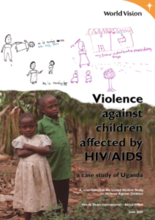
Report documenting participatory research conducted on violence against children affected by HIV/AIDS in Uganda. Particular focus on the stigmatisation and discrimination.
Helpful resource for defining key terms, issues, and practices in psychosocial support. Contains a short list of recommended tools for support and monitoring of psychosocial support interventions.
In assessing the practice of foster care in the US and its current limitations, this series of articles advocates for the implementation of health assessments for all children in care, support to preserve permanency and assist birth families, comprehensive supports for foster families, specialized services for children in need, increased cultural competency in social work practice, coordinated services across sectors for families in need and comprehensive well being assessments for children in care.
A comprehensive and detailed template for development and evaluation of psychosocial support projects. Emphasis on raising awareness of cultural and ethical issues associated with psychosocial interventions.
A guide to building a child-focused foster system that works with the strengths of children and young people to enhance their resilience and ability to cope with adversity. It outlines practical ways to support caring relationships and create positive educational experiences that bolster self-esteem and self-efficacy.
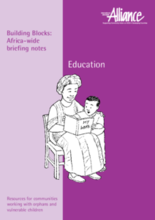
Outlines the impact of HIV/AIDS on children’s education and suggests strategies for meeting children’s educational needs. Includes a list of follow-up resources.
Examines the link between education and the protection needs of children, with a particular focus on the role of education in emergency response.
Outlines the psychosocial impacts of HIV/AIDS on children and suggests principles and activities to strengthen psychosocial support. Includes a brief list of follow-up resources.
Minimum standards for counseling center and child hotline responding to abuse, exploitation and neglect in Romania.