File
Displaying 51 - 60 of 117
Disability Rights International (DRI) llevó a cabo dos investigaciones en Baja California, México –la primera en noviembre de 2018 y la segunda en febrero de 2019, visitando a cuatro instituciones privadas en las que se encuentran niñas, niños, adolescentes y personas –incluidas personas migrantes– con discapacidad. Este informe presenta los resultos de esta investigación.
Disability Rights International (DRI) carried out two investigation trips to Baja California, Mexico, in November 2018 and February 2019, visiting four residential, private institutions for children and adults – including migrants - with disabilities. This report presents the findings from these investigations.
Mexico’s Supreme Court First Chamber has issued a ruling declaring that the practice of placing one 50-year old man with an intellectual disability under "guardianship," and thus stripping him of his autonomy and many basic rights, is discriminatory, according to this news release from Human Rights Watch.
This series of videos highlights Save the Children's work in Honduras, El Salvador and Mexico to protect migrant and returnee children.
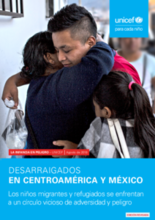
En este informe de la Infancia en peligro se evalúan las causas estructurales de las migraciones irregulares procedentes del norte de Centroamérica y México, y se analizan las distintas dificultades y peligros a los que se enfrentan los niños migrantes y refugiados y sus familias durante los arduos procesos de migración y retorno.
This article presents findings from a cross-national study exploring how social workers in child welfare conceptualise ‘family’, and how they relate to ‘family’ in their practice.
This paper examines the gendered roles of sibling position and network‐derived social capital in Mexican and Senegalese international migration.
RELAF (la Red Latinoamericana de Acogimiento Familiar) está buscando un oficial de recaudación de fondos que trabaje en su oficina en México o remotamente.
RELAF (Latin American Foster Care Network) is looking for a fundraising officer to work from its office in Mexico or remotely.
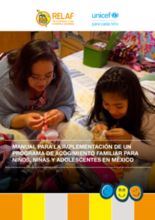
Este Manual desarrolla de manera genérica el marco conceptual y los diferentes procesos que constituyen un programa de un programa de acogimiento familiar para niños, niñas y adolescentes, de forma que resulta aplicable y adaptable a todos los contextos legales-políticos-institucionales que conviven en México.