This section includes resources on the response to the COVID-19 pandemic as it relates to child protection and children's care.
News on COVID-19 and Children's Care
Webinars and Events on COVID-19 Response
Displaying 11 - 20 of 759
The survey of the COVID-19 outbreak focused on studying the impact and long-term consequences on care leavers, especially residential care leavers who are living independently.

This study reports results concerning close embodied practices, involving touch, in early childhood care settings in Sweden during the COVID-19 pandemic.
The current international study sought to identify the experiences and responses of child protection professionals to child maltreatment during COVID-19.
This perspective piece considers the impact on infant and perinatal health in the context of COVID-19 with particular emphasis on relational dynamics and attachment assessments, using a case study of a foster carer and her child in an out-of-home-care placement. Understanding these dynamics is crucial for safeguarding the well-being of both caregivers and vulnerable children during this challenging time.
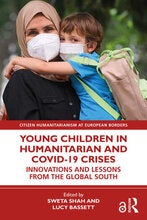
This book investigates how organizations around the world responded to these dual challenges, identifying solutions, and learning opportunities to help to support young children in ongoing and future crises. Drawing on research and voices from the Global South, this book showcases innovations to mobilize new funds and re-allocate existing resources to protect children during the pandemic.
This webinar series, by and for members of Transforming Children's Care, brings together experts from our community to discuss a range of relevant topics identified by members as priorities for learning and exchange. View previous and upcoming webinars below.
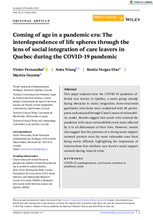
This paper explores how the COVID-19 pandemic affected care leavers in Quebec, a social group already facing obstacles to social integration.
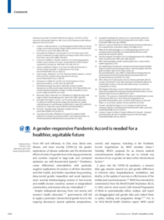
This comment in the October 2023 issue of The Lancet discusses gender equity in health care and how improving access to sexual and reproductive health services can lead to a considerable reduction in maternal mortality rates. Other reports emphasise how collecting and analysing sex-disaggregated and gender data can help identify disparities in access to education, health care, and other services that are crucial for overall development.
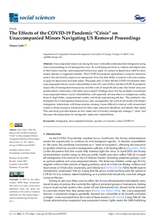
This U.S.-based case study provides lessons on how states and civil society strategically manage a “crisis” and discusses the implications for immigrants’ rights and vulnerabilities.
This study explores the resilience of childcare workers in South Africa in managing the well-being of vulnerable orphans during COVID-19.