Displaying 81 - 90 of 386
Réponses d’enfants et de jeunes à une enquête mondiale en vue de la Journée de débat général sur les droits de l’enfant et la protection de remplacement 2021
This article reports on a systematic scoping review which investigated research publications on participation in making life-impacting decisions by young people.
Thirteen youth from a group home in Taiwan for teenage boys in the foster care and juvenile justice systems participated in this yearlong study which utilized a strengths-based approach to examine resiliency, their needs, and sources of support. This article describes nine key lessons learned to keep at-risk youth at the center of future similar research studies through protecting, representing, and empowering them.
This study consists of interviews with 22 children’s spokespersons in Norway. Study findings question whether children in care proceedings understand the invitation to voice their wishes as confined to matters relating to the proceedings.
This paper discusses how research related to youth with experience in foster care can be conducted in an emancipatory manner with researchers actively supporting the liberation of youth with experience in foster care through their scholarly contributions.
This webinar was part of Eurochild’s breakfast webinars to mark World Children’s Day 2020. This webinar looked at the intersection between children’s rights and democracy.
The Scottish Children’s Rights and Inclusion Strategy aims to ensure children feel able to speak openly and honestly in hearings, and that their views are given real weight in the decision making process.
This consultation explores children and young people’s views and experiences related to COVID-19 and its secondary impacts.
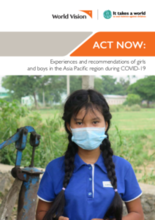
This report explores children and young people’s views and experiences related to COVID-19 and its indirect impacts. Firstly, it looks at children and young people’s perceptions of how COVID-19 has had an impact on their lives and countries.