Displaying 651 - 660 of 1810
This chapter explores the factors that are hidden behind the disproportionate numbers and considers the mental health impact of child removal on Black children, youth, and families in Ontario.
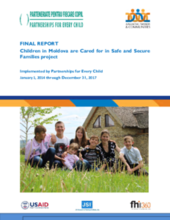
This final report presents key learning, findings, and results of the “Children in Moldova are Cared for in Safe and Secure Families” (Children in Moldova) project.
The objective of this evaluation is to document and assess how the capacity of the child protection system in Ghana—in particular the practices of the Social Welfare Actors (SWA)—has changed to enable the provision of quality services to children and families with support of the workforce strengthening (WFS) initiative.
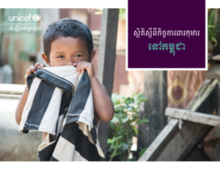
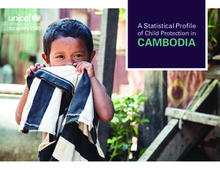
This report, the first of its kind in Cambodia, brings together the dispersed data into a comprehensive profile of child protection in the country.
This blog post from Child Trends presents findings from an evaluation of three models of trauma-informed care in the US child welfare system.
This country care review includes the care-related Concluding Observations adopted by the Committee on the Rights of the Child and the Committee on the Rights of Persons with Disabilities.
This country care review includes the care related Concluding Observations adopted by the Committee on the Rights of Persons with Disabilities and the Committee on the Right of the Child at their recent examinations of Guatemala's report.
In this study, the participation of children in the Dutch child protection system (CPS) under the new Youth Act 2015 is critically analyzed.
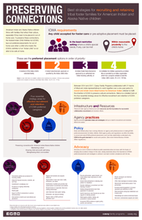
This brief guide from Casey Family Programs lays out strategies for recruiting and retaining tribal foster families for American Indian and Alaska Native children, ensuring that indigenous children can stay in their communities.