Displaying 381 - 390 of 616
According to the advocacy organization, First Focus, the U.S. Senate Finance Committee is planning to consider new legislation known as the Family First Act in January 2016. The legislation would direct investments at keeping children safe and supported at home and in family-like settings.
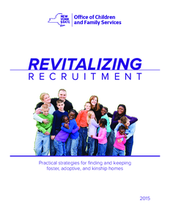
This guide, published by the New York State Office of Children and Family Services, provides a summary of promising practices currently used in recruitment and retention of foster/adoptive families.
This brief is part of a series of country briefs which aim to provide an analysis of children’s living and care arrangements according to t
This article is an attempt to analyse and describe the process of change in child substitute care that has taken place since the re-independence of Estonia in 1991.
This country brief provides an overview of data on children’s living arrangements in Uganda, extracted from the 2011 DHS survey.
This country brief provides an overview of data on children’s living arrangements in Zambia, extracted from the 2013-14 DHS survey.
This webinar looks at the range of alternative care for children who have been separated from parental care and emphasizes family care.
This series of podcasts from Faith to Action Initiative features the audio from past Faith to Action webinars, including a webinar on The Continuum of Care.
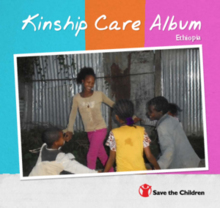
This album presents viewpoints of children and young people, who have been engaged in this participatory research on kinship care - as advisors, researchers, respondents and documenters during the months of June to December, 2014.
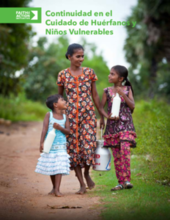
Esta guía es la tercera publicación en una serie producida por the Faith to Action Initiative (Iniciativa de Fe en Acción) para proporcionar a las iglesias, a las organizaciones basadas en la fe, e individuos de fe con información para ayudar a guiar la “mejor práctica”. La guía proporciona una visión general de una gama de opciones de cuidado alternativo para los niños que han sido separados del cuidado parental.