
Displaying 731 - 740 of 786
An evaluation of a programme in Sri Lanka that aimed to resettle and reintegrate children affected by armed conflict, prevent and respond to child abuse, and develop community based alternatives to institutional care.
A website that contains statistical information on children in 27 countries across Central and Eastern Europe. The site contains relevant child protection indicators, including the number of children in institutional care.
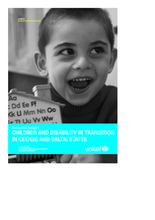
Advocates for the right of children with disabilities to live in the community. Provides recommendations on how to ensure a successful transition from institutional to community-based care. Focuses on the importance of family support and the right to education.
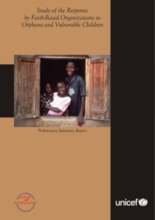
A study that looks at the response of faith-based organizations in Kenya, Malawi, Mozambique, Namibia, Swaziland, and Uganda. The report contains statistical information, and details positive care practices to build on, and negative examples to avoid.
Results of a survey examining the quality of institutional care in Sri Lanka. Highlights gaps in existing policies and procedures.

Russia is home to one of the fastest-growing AIDS epidemics in the world, but the government has done little to address the problem.
A brief literature review of the key findings of academic research into the effects of institutional care for vulnerable children. Contains information on the negative effects of institutional care.
Report presents and analyzes new research and data around children with disabilities in the region, the effects of institutional care, and the need for family support services.
This report presents the survey Kevin Browne and colleagues conducted in 33 European countries to identify the number and characteristics of children less than three placed in residential care without their parents for more than three months during the year ending December 31, 2003. The purpose was to assess the rate and cost of residential care as a response to children in adversity.
Describes and analyses abuse in institutional care using a case study of a home for girls in the developed world.