Displaying 1731 - 1740 of 1807
This research paper explores the condition of orphaned children in Rwanda. The paper urges the design of appropriate social protection mechanisms, including differentiated policy responses, conditional cash transfers and increased access to education.
Minimum standards for counseling center and child hotline responding to abuse, exploitation and neglect in Romania.
La presente ley tiene por objeto crear y regular el Sistema Nacional de Protección
Integral de la Niñez y Adolescencia.
This paper provides guidelines and tools for policy makers to evaluate the quality of child care initiatives
This paper defines concepts and highlights key topics around orphaned and vulnerable children. It stresses the importance of creating a child-friendly environment and utilizing a holistic approach to care, both which identify children as central participants in decision-making about care and placement.
Contains practical tools and policy guidance for family and child welfare policy makers and practitioners. Relevant topics include gatekeeping, redirecting resources into preventive and family based services, and standards of care.
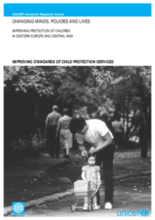
A toolkit of good practices for involving children in consultation and policy processes. Includes an extensive guide to additional resources.
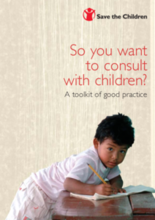
Practical guidance, case examples, and tools to assess, monitor, and evaluate child protection services and facilitate reform away from institutionalization of children.
Situation analysis of Afghan children living in institutional care. Includes detailed recommendations for strengthening policies and services in the child welfare system.