Displaying 171 - 180 of 1062
In this joint statement, the co-signatories call on international, European Union and national authorities, to prevent and respond to child protection risks that threaten the well-being of children within and those fleeing Ukraine.
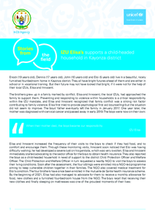
This case study details how IZU Elisa supported a child-headed household in Kayonza district, Rwanda.
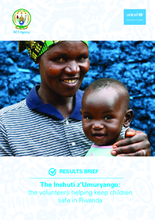
This brief presents the results of several assessments of the ‘Friends of the Family’ or ‘Inshuti z’Umuryango’ (IZU) initiative in Rwanda. IZU is a frontline volunteer cadre introduced in 2016 as part of Rwanda's national child protection system strengthening and care reform efforts.
This case study details how IZU Elisa supported a child-headed household in Kayonza district, Rwanda.
This case study details how IZU Immaculee and Naphtal help Laura to escape child labour and abuse in Musanze, Rwanda.
In this case study IZU Cyriaque supports a grandparent-headed household during the COVID-19 pandemic.
This case study details,how IZU Emmanuel and Genevieve supported a young person living with disabilities in Kamonyi district, Rwanda.
This brief outlines the background to, rationale for, and objectives of the ‘Inshuti z’Umuryango’ (IZU) or ‘Friends of the Family’ programme in relation to Rwanda’s wider child protection strategy.
This chapter in the book, "Psychological Perspectives on Understanding and Addressing Violence Against Children: Towards Building Cultures of Peace", explores how violence impacts children in various types of alternative care from larger scale institutions such as orphanages to family-based care models like foster care. The book explores the topic from a global perspective.
В этом отчете Независимая международная комиссия по расследованию событий в Украине будет ссылаться на выводы о событиях в конце февраля и марте 2022 года в четырех областях: Киевской, Черниговской, Харьковской и Сумской, как того требует резолюция Совета по правам человека S-34/1.