Let Me Thrive: A Research Study on Foster Care in Malta
This is an article discussing a research study performed to determine the best forms of out of home care for children.
File
This is an article discussing a research study performed to determine the best forms of out of home care for children.
This study assesses the effects of institutional care on social interaction anxiety in children and further assesses the role of social interaction anxiety in emotional and behavioral problems in children.
Kathryn Joyce discusses the issues that one mother in Uganda faced when she put her child up for international adoption.
This study examines the relationship between different areas of family need and the utilization of home-based, post-investigation services (HBPS) following a child protective services (CPS) investigation.
This is a 15 month qualitative study involving semi-structured interviews with families and boys at three stages: preparing for return, in the first three months of reintegration and successfully reintegrated.
This is an evaluation document that promotes family-based care in Cambodia.
This is a webinar that occurred on August 19 through the RISE Learning Network.
Practical guide for travel companies delivering volunteer tourism experiences.
This news article from the BBC is about a small orphan village south of Moscow, which has been experimenting with what the founders think may be a novel solution to support both foster children and the families who take them in.
A PSA produced by Hillside Digital Trust about Kick4Life's work in supporting vulnerable children in Lesotho
The story of a young boy who gave up being a child soldier to participate in UNICEF's reintegration program.
This chapter explores issues of children’s agency and participation in anti-trafficking interventions with children trafficked for exploitative labor in Vietnam.
This study examines the experiences of young female survivors of sexual violence in northern Uganda in order to explore the variety of roles (both positive and negative) that informal support networks played in contributing to survivors’ healing, recovery, and reintegration.
This study identifies risk factors for voluntarily joining armed groups, as well as to test association of conscription status and mental health.
This is a report from the International Institute for Child Rights and Development (IICRD) examining the two year (2014-2016) Child Protection Social Cohesion initiative in Burundi and Chad.
This article examines how urban Congolese refugees in Kenya promote psychosocial well-being in the context of structural vulnerability.
This document is a statement in support of the Guidelines on Children's Reintegration.
These Guidelines build on several existing care policies, including the UN Convention on the Rights of the Child.
This situation analysis focuses on the current conditions that affect children in Cambodia and their capacity to enjoy all their rights as recognized in the Convention on the Rights of the Child.
This document serves as a brief of the UNICEF Child Protection Programme provided in Cambodia.
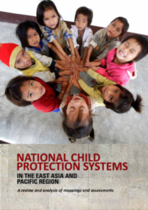
This report presents the findings of a mappings and assessments review of child protection systems in 14 countries including Cambodia.
This article examines the Stand By Me (SBM) programme, which was developed in Victoria to replicate the ongoing support provided in the UK to care leavers by Personal Advisers who remain available to assist young people until 21 years of age.
This article investigates the current leaving care and post-care supports that are available to Indigenous care leavers in Australia.
This chapter of the Children’s Well-Being: Indicators and Research discusses the dangers of using categories in child welfare.