
Displaying 361 - 370 of 1116
This article initiates the conversation on the conceptualisation of child neglect in Namibia, reporting findings from a small study undertaken in 2017.
This study examined associations between early developmental vulnerabilities and (1) the highest level of child protection response (where out-of-home care was deemed the highest response among other types of reports/responses), and (2) the developmental timing of the first child protection report.
This study utilizes a quasi-experimental propensity score matching design to assess the causal impact on child welfare outcomes when parents facing an abuse or neglect case in the New York City Family Court were provided interdisciplinary law office representation as opposed to a standard panel attorney.
Drawing on original documentary research, this article aims to explain why and how state authorities in England and Wales failed to recognise the victimisation of children held in penal institutions between 1960 and 1990, and argues that this failure constitutes a disavowal of the state’s responsibility.
This video provides a short summary of the INSPIRE objective and goals, strategies included, measures to be implemented and good practices develop across the globe.

This short webinar delivered by Dr Alex Butchart, WHO, and Ms Sabine Rakotomalala, Global Partnership to End Violence Against Children, is an introduction to the evidence-based strategies and interventions gathered in INSPIRE, a technical package to reduce and prevent violence against children.

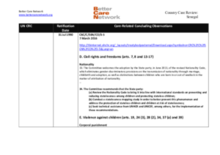
This country care review includes the Concluding Observations for the Committee on the Rights of the Child and the Committee on the Rights of Persons with Disabilities. The Committees' recommendations on the issue of Family Environment and Alternative Care as well as other care relevant issues are highlighted.
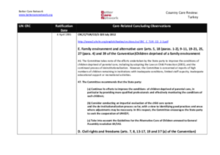
This country care review includes the care related Concluding Observations adopted by the Committee on the Rights of the Child and the Committee on the Rights of Persons with Disabilities as part of its examination of Niger's initial reports, as well as other care-related concluding observations, ratification dates, and links to the Universal Periodic Review.
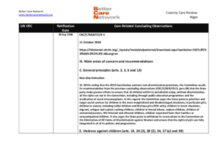
This country care review includes the care-related Concluding Observations adopted by the Committee on the Rights of the Child and the Committee on the Rights of Persons with Disabilities.
This study sought to determine whether the Parent Support Outreach (PSO) program, an early Child Protective Services (CPS) response and service model to screened-out reports and other high-risk families in Minnesota's child welfare system, resulted in less subsequent CPS involvement, increased use of mental health and substance abuse services, and improvement of family's economic well-being.