
Displaying 291 - 300 of 551
With the support community and academic partners, a school-based health center administered by a Federally Qualified Health Center developed a plan for outreach, systematic screening and referral to services for newcomer youth.
This study examined the associations between exposure to armed conflict, perceived support, work experience, needing help, and post-traumatic distress among Israeli social workers in foster care agencies based on Conservation of Resources theory.
This case study tells the story of a child protection programme developed by a community-based organisation called Children of the World that works in villages in northern Uganda.
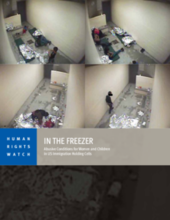
This report examines US authorities’ compliance with the specific protections that should be afforded to children, drawing on 110 interviews with children themselves or women detained with their children.
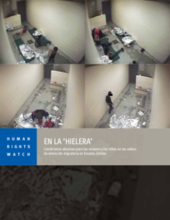
Este informe examina el cumplimiento por parte de las autoridades estadounidenses de las protecciones específicas que deben otorgarse a los niños, basándose en 110 entrevistas a niños y mujeres detenidas con sus hijos.
Through the case of a young Sri Lankan woman who arrived in Denmark as an ‘unaccompanied asylum-seeking minor’ and spent five years within the Danish asylum system, this article explores how she experienced moving through different legal categories and the institutional settings associated with them.
This report presents the results of a consultation - organised by Plan International, Save the Children and World Vision International - which surveyed children in Cox’s Bazar, Bangladesh from refugee communities (who identify themselves as Rohingya) and children from host communities.
This paper presents findings from two studies, in England (2012) and Ireland (2013), which explored experiences of unaccompanied refugee minors (URM) in foster care.
Based on primary and secondary source materials, this article traces the evolution of the US social work field's response to the needs of unaccompanied immigrant and refugee youth during the past two centuries.