Displaying 391 - 400 of 1062
In this chapter from the book Re-Visioning Public Health Approaches for Protecting Children, the authors critically examine the practical and organisational issues as well as the ideational and procedural ones that challenge policy makers, leaders and those delivering services as they attempt to re-focus child protection service delivery toward earlier intervention and prevention within a public health framework.
This report presents findings from an implementation analysis aimed at describing implementation of the U.S. state of Florida Title IV-E Demonstration Project, which allowed the state to use certain federal funds more flexibly, for services other than room and board expenses for children served in out-of-home care.
This factsheet highlights the developments and challenges still ahead in Serbia and offers key recommendations to the EU and the national government to ensure that children are cared for in family-based settings.

This factsheet highlights the developments and challenges still ahead in Moldova and offers key recommendations to the EU and the national government to ensure that children are cared for in family-based settings.
This factsheet highlights the developments and challenges still ahead in Hungary and offers key recommendations to the EU and the national government to ensure that children are cared for in family-based settings.
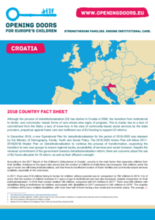
This factsheet highlights the developments and challenges still ahead in Croatia and offers key recommendations to the EU and the national government to ensure that children are cared for in family-based settings.
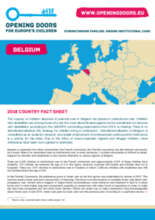
This factsheet highlights the developments and challenges still ahead in Belgium and offers key recommendations to the EU and the national government to ensure that children are cared for in family-based settings.
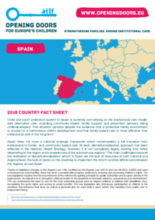
This factsheet highlights the developments and challenges still ahead in Spain and offers key recommendations to the EU and the national government to ensure that children are cared for in family-based settings.
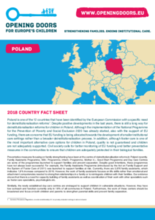
This factsheet highlights the developments and challenges still ahead in Poland and offers key recommendations to the EU and the national government to ensure that children are cared for in family-based settings.
This factsheet highlights the developments and challenges still ahead in Latvia and offers key recommendations to the EU and the national government to ensure that children are cared for in family-based settings.