Displaying 251 - 260 of 377
Conference programme, background papers, key policy recommendation from 2009 Wilton Park conference event
Policy recommendations and conclusions from November’s high level conference focused on gathering data, harnessing political will, strengthening systems, securing funding, and increasing public and political understanding regarding children without adequate parental care
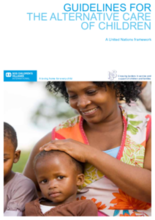
This publication introduces the official text of the Guidelines for the Alternative Care of Children (General Assembly A/HRC/11/L.13) and provides questions for reflection on some of the key content areas outlined in the Guidelines.
This document outlines EveryChild’s approach to the growing problem of children without parental care by defining key concepts, analysing the nature and extent of the problem, exploring factors which place children at risk of losing parental care, and examining the impact of a loss of parental care on children’s rights.
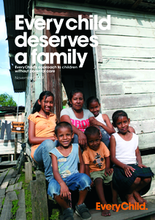
Contains facts regarding children in alternative care globally as well as suggested lobbying activities for the promotion and adoption of the UN Guidelines on Alternative Care
Manual to assist countries in strengthening their information system around children in formal care through data collection around 15 global indicators
Policy/analysis tools for manual to assist countries in strengthening their information system around children in formal care through data collection around 15 global indicators
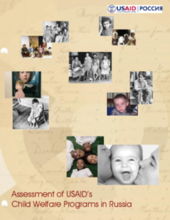
The child welfare programs, funded by USAID in Russia, were designed to pilot, disseminate, and help institutionalize modern child welfare services, particularly, child abandonment prevention and professional support of vulnerable children, child welfare institutions, and substitute families. This report reviews program results and sets out recommendations for future program design.
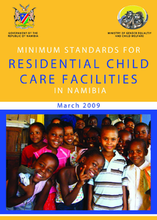
This Minimum Standards for Residential Child Care Facilities in Namibia is designed to assist child care service providers, ministerial staff, social welfare partners, and other stakeholders concerned with the quality of child care, to establish, maintain and manage high quality care services for children in Namibia
Outlines the development of a common set of indicators for EU member states to measure children's rights and collect data.