Displaying 241 - 250 of 377
Les lignes directrices pour la prise en charge alternative des enfants ont été endorsées par l'Assemblée Générale des Nations Unies, dans le sillage de la commémoration du 20e anniversaire de la Convention des Nations Unies relative aux droits de l’enfant.
Outlines additional actions and considerations foster care workers should follow when implementing the IFCO Guidelines for Foster Care.
The Guidelines for the Alternative Care of Children were endorsed by the United Nations General Assembly on 20th November 2009, in connection with the 20th anniversary of the UN Convention on the Rights of the Child. This momentous day marked a culmination of years of discussions and negotiations led by the Government of Brazil, in partnership with Group of Friends and civil society.
Las directrices sobre las modalidades alternativas de cuidado de los niños fueron endosados por la Asamblea General de las Naciones Unidas el 20 de noviembre de 2009, en conexión con el 20a aniversario de la Convención de los Derechos del Niño de la ONU.
The Guidelines for the Alternative Care of Children were endorsed by the United Nations General Assembly on 20th November 2009, in connection with the 20th anniversary of the UN Convention on the Rights of the Child.
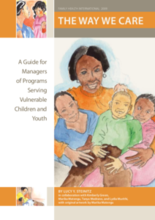
Manual aims to develop awareness, reinforce knowledge, and assist those designing, implementing, or managing programs for children and youth affected by poverty, HIV and AIDS, and other diseases.
Provides a broad range of dynamic group exercises on preventing, identifying, and responding to child protection by non-specialists.
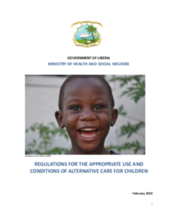
Regulations and tools designed to create the basis for reforming welfare institutions for the safe and appropriate administration of alternative care.
Child friendly leaflet explaining child abuse, the responsibilities of adults, and who to contact with any concerns.
Guidance and forms on preventing institutionalization of children and promoting family unification. The manual includes good practices and lessons learnt, training plans, care planning forms, and assessment guidance.