Displaying 311 - 320 of 377
Documents assessment of child welfare and protection of children in orphanages in Liberia.
This document presents the full policy on the alternative care of children in Cambodia.
The Committee on the Rights of the Child held a day of general discussion on 16 September on “Children without parental care”.
Presentation on the UN Guidelines on Alternative Care of Children.
A brief 2-page document that highlights the importance of child participation, post care planning, guarding against abuse, and connecting residential institutions with the surrounding community.
Examines the transition from residential care to family-based, community care models in five European / Eurasian countries.

Guidance and activities for organizations in implementing internal child protection standards
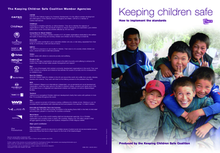
This guide is based on the standards set out in Raising the Standards (Save the Children, 2005). It presents lessons from the experiences of five agencies in implementing the childcare standards and assessing their effectiveness.
Standards for shelters and care providers responding to children who have been trafficked. It gives guidance and practice examples of intake procedures, interim and longer term care, support services, integration and reunification
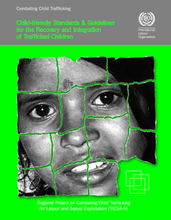
An updated list of literature and bibliographies concerning children and families affected by HIV/AIDS around the world. Most of the resources are focused on sub-Saharan Africa.