Displaying 451 - 460 of 978
The present study examined the effectiveness of Family Group Conferencing (FGC) in child welfare in the Netherlands.
This video from Rise Magazine is designed to include in training for caseworkers, visit coaches, parent advocates and other frontline staff who will supervise or support parents during visits with children in foster care.
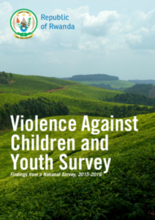
This report presents findings from the national Violence Against Children Survey (VACS), administered in Rwanda from 2015-2016, and lays out recommendations for addressing and preventing violence against children based on those findings.
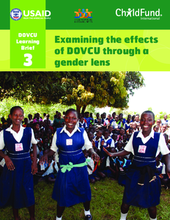
This learning brief analyzes quantitative data from both households at risk of separation and reintegrating households to understand how the “Deinstitutionalization of Orphans and Vulnerable Children Project in Uganda” (DOVCU) package of integrated social and economic interventions affects children and households differently depending on the sex of the child, caregiver, and/or household head.
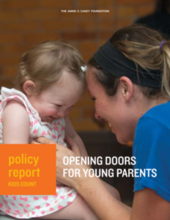
This report from the Annie E. Casey Foundation reminds policymakers and child advocates in the US of the barriers that young families face. It examines national and state-level trends — highlighting areas of opportunity and concern — and then shares potential solutions that can help these families thrive.
This comprehensive reference offers a robust framework for introducing and sustaining trauma-responsive services and culture in child welfare systems.
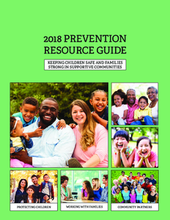
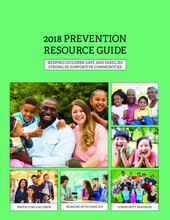
The 2018 Prevention Resource Guide was designed to support service providers as they work with families to promote child well-being and prevent child maltreatment.
This paper presents the results of a qualitative study based on in‐depth interviews and participant observation in 3 Norwegian family centres.
This video from Rise Magazine features tips from parents who have had their children placed in foster care in the U.S. to other parents in the same situation on how to handle visits with their children in the care system.
This Resource Guide was developed to support service providers in their work with parents, caregivers, and their children to prevent child abuse and neglect and promote child and family well-being.