Displaying 1141 - 1150 of 1531
This report is based on the outcomes of a survey addressed to eight National Coordinators of the Opening Doors campaign. It aims to assess the extent to which EU Member States have used ESIF to catalyse child care systems reform.
El presente curso surge del Acuerdo de Cooperación suscripto en 2014 entre UNICEF Argentina y la Asociación civil por los derechos de niños niñas adolescentes y jóvenes Doncel que tiene por objetivo principal contribuir a desarrollar un modelo de acompañamiento integral para adolescentes residentes en los hogares asistenciales de las provincias argentinas de Misiones, Jujuy, Chaco, Santa Fe y Tucumán en transición del sistema de protección hacia la autonomía y la vida adulta.
This article analyses on the phenomenon of orphanage tourism/ childcare tourism in Cambodia and its social and economic impacts by interviewing the managers directors or volunteer coordinators of nine residential care facilities and to develop recommendations and guidelines for the residential care centres and volunteer organisations to improve the volunteering practice in the future.
This review discusses the worldwide phenomenon of child institutionalisation and assesses scientific evidence on the developmental effects of early institutional care.

This study, based on a sample of 1,324 Jewish and Arab adolescents aged 11–19 in 32 RCSs, examines the prevalence and multilevel correlates of verbal (such as cursing) and indirect (such as social exclusion) forms of victimization by peers in residential care facilities.
This study compares the development of children living in orphanages with that of children living in slums with their biological parents in Odisha, India.
This quantitative study of 575 South African children compared their resilience in terms of individual, family and community protective factors across seven sites, including child and youth care centres, schools in poor communities and schools in middle-class suburban communities.
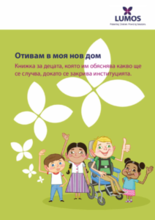
Целта на тази книжка е да обясни на децата какво да очакват през периода, когато институцията се затваря.
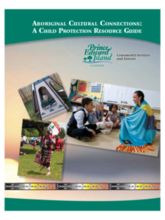
This resource guide offers a fairly comprehensive guide to engaging with the Aboriginal community on Prince Edward Island, Canada. It includes a history of the use of residential schools for Aboriginal children, as well as a description of the widespread removal of Aboriginal children from their families and communities for adoption placement in the 1960s through the 1980s.
The present study, through an extensive review of literature has explored and reconceptualised institutional care and considered the dynamics of institutionalization. The study also examines the effects and impacts of institutionalization on OVCs in South Africa, such as educational attainment, socialization and psychosocial impacts.