Displaying 1161 - 1170 of 1531
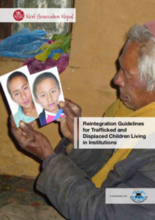
This document provides guidelines to reintegrating trafficked and displaced children in Nepal, based on the approach and methodology developed and utilized by Next Generation Nepal (NGN) and The Himalayan Innovative Society (THIS).
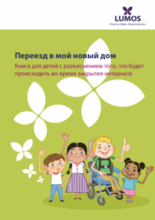
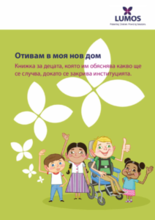
Целью этой книги является объяснить детям то, что их ожидает во время закрытия интерната.
El objetivo del estudio es presentar el proceso de construcción de una herramienta para medir la institucionalización en forma rápida, a partir de información existente en los países y mostrar los principales datos que se obtuvieron.
This thesis paper employed qualitative methods to capture the online interaction of undergraduate volunteers as part of an undergraduate-student mentorship program. This program was developed to provide mentorship and tutoring for at-risk-youth at a foster care institution.
This report presents findings of a baseline study for the Strong Beginnings -- A Family for all Children project.
This document highlights some of the key learnings from the Ishema Mu Muryango program, a program designed to safely and sustainably reintegrate children living in institutions in two districts of Rwanda into their families or communities and prevent further institutionalization.
Целта на тази книжка е да обясни на децата какво да очакват през периода, когато институцията се затваря.
This resource guide offers a fairly comprehensive guide to engaging with the Aboriginal community on Prince Edward Island, Canada. It includes a history of the use of residential schools for Aboriginal children, as well as a description of the widespread removal of Aboriginal children from their families and communities for adoption placement in the 1960s through the 1980s.
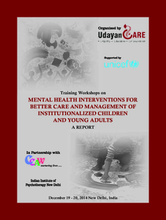
The report from the two-day Training Workshops on “Mental Health and Interventions for Better Care and Management of Institutionalized Children and Young Adults” is now available.
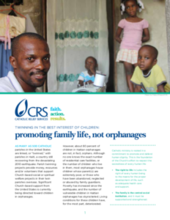
This document, published by Catholic Relief Services, urges members of the Catholic faith community to consider the best interests of the child when partnering, or “twinning” with parishes in Haiti and undertaking charitable activities.