
Date: Wednesday, April 22, 2026
Time: 9-10:30 AM EDT
Spanish interpretation will be available
How do countries move care reform from policy to practice — and what does it take to sustain that change? This webinar, co-hosted by the Transforming Children's Care collaborative and Hope and Homes for Children, will dive into the ground-level realities of system strengthening across three diverse national contexts: South Africa, Rwanda, and Bulgaria. Drawing on the Hope and Homes for Children Global Roadmap for Care Reform: Families. Not Institutions., country experts will share the critical bottlenecks they encountered, the strategies that worked, the course corrections required, and the evidence of impact for children and families. This is a session for practitioners, policy-makers, and funders who want to understand not just what reform looks like — but how it actually happens.
Speakers will address:
- South Africa: Building prevention and community strengthening as the primary gateway to care reform — and what HHC's longitudinal study reveals about outcomes for children.
- Rwanda: Creating a dedicated workforce through national action plans and policy development, including Rwanda's Transition Management and Monitoring (TMM) plan.
- Bulgaria: How gatekeeping mechanisms, enabling legislation, and EU grant funding drove the closure of institutions for babies and broader systemic transformation.
Speakers
- Lourenza Steytler Foghill, Senior Programme Lead, Hope and Homes for Children
- Imaculee Vidivi Karangwa, Executive Director Rwanda, Hope and Homes for Children
- Galina Pourcheva-Bisset, Deinsitutionalization Technical Consultant, Europe, Hope and Homes for Children
Moderators
- Otto Sestak, Head of Learning and Engagement, Hope and Homes for Children
- Ani Kulkarni, Senior Advisor Evidence and Learning, Better Care Network
This webinar is the second in a new series of webinars under the Transforming Children’s Care Collaborative, which convenes diverse stakeholders from across the globe to exchange knowledge on strengthening child care and protection systems to prevent family separation and promote inclusive, family-based alternative care. Each session will highlight innovative approaches and promising practices to address some of the most complex challenges in achieving systemic change.
Speaker Bios
Lourenza Steytler Foghill
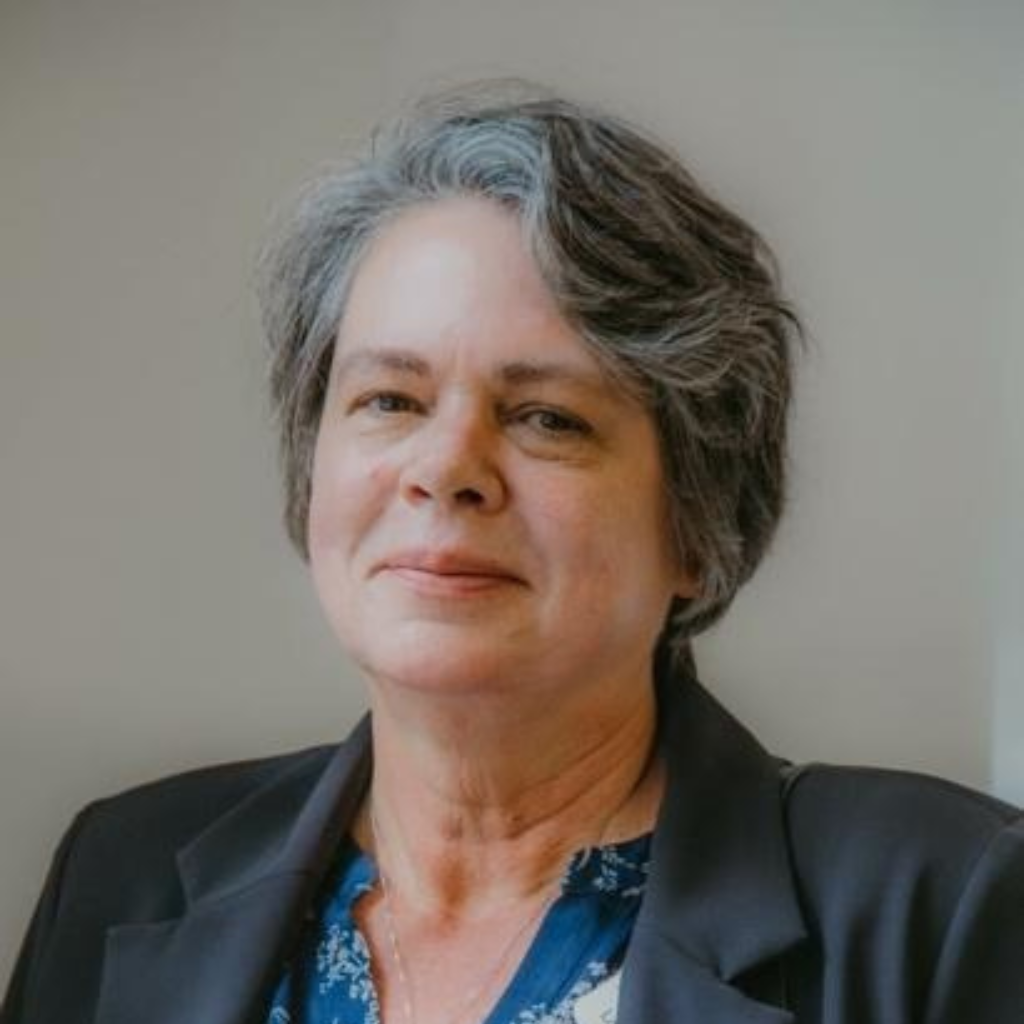 Lourenza has over 20 years of experience in international development, including thirteen years focused on the design and leadership of concept introduction, care reform strategy, critical pathway programming, monitoring, evaluation and learning (MEL), statutory alignment, localisation, and the embedding of care reform processes in South Africa. She is skilled in identifying, securing, and leading strategic partnerships with governments, NGOs, and community partners.
Working closely with provincial government, she led her team in establishing and implementing the Gauteng Province pilot demonstration project. She subsequently led the design of contextualised prevention and family-strengthening programmes, as well as policy enrichment processes, strategy development, and partnerships. This work contributed to the development of the contextualised South Africa Roadmap for Care Reform and culminated in securing national government commitment to care reform in South Africa in November 2025.
Immaculée Vidivi Karangwa
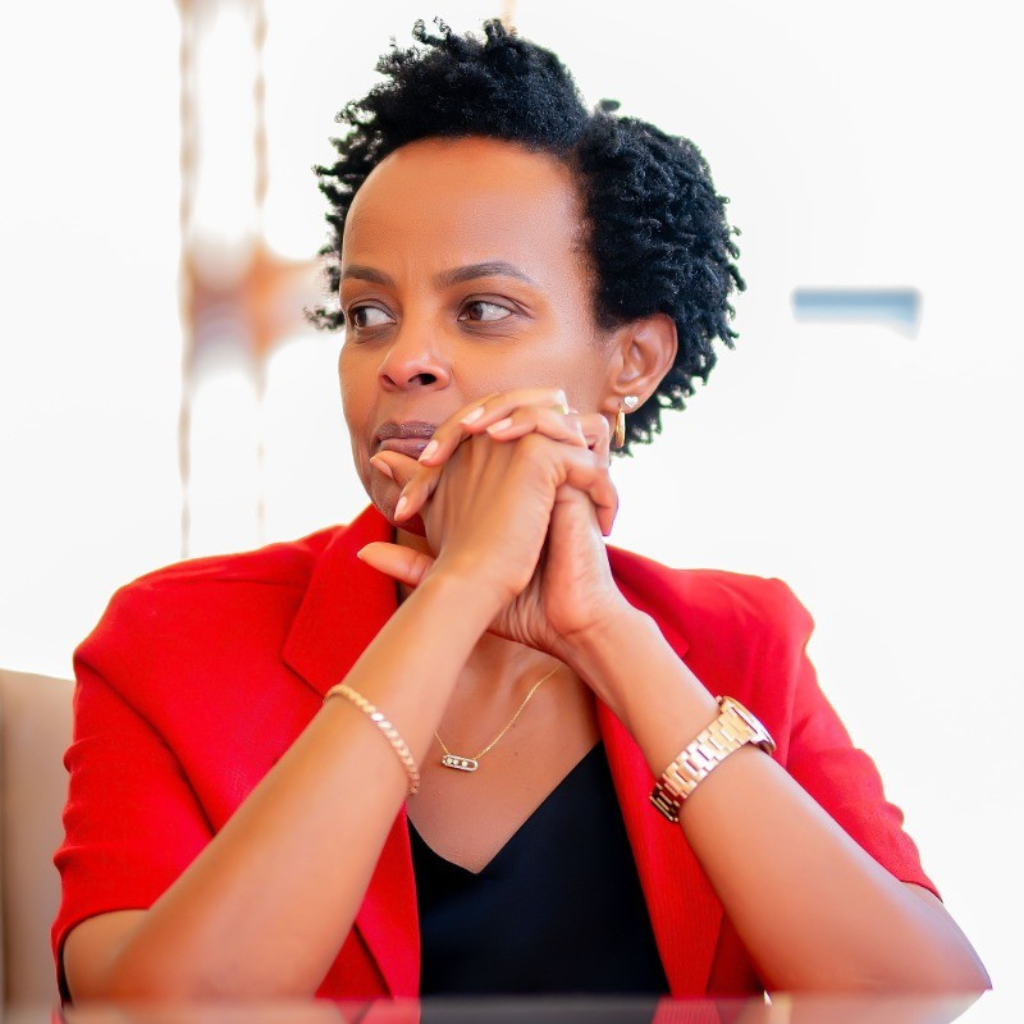 Vidivi Karangwa Immaculée, Country Director at Hope and Homes for Children Rwanda, is a clinical psychologist with more than 20 years of experience supporting vulnerable children and families. She played a key role in Rwanda’s post-genocide response, focusing on trauma healing, reconciliation, and support for child-headed households—work that shaped her long-term commitment to mental health and family-based care.
At Hope and Homes for Children, she established the organization’s first psychological department and led psychosocial programmes for children transitioning out of orphanages, as well as innovative interventions for adolescent mothers facing trauma, stigma, and social exclusion. She has been instrumental in advancing Rwanda’s child care reform, contributing to the Tubarerere Mu Muryango strategy, promoting foster care, and strengthening family-based alternatives.
Vidivi has also supported the development of national training programmes and strengthened the capacity of the social service workforce to prevent family separation. A dedicated advocate, she engages across media, academia, and faith-based platforms, and continues to influence national and regional care reform while promoting inclusive systems for all children.
Galina Pourcheva-Bisset
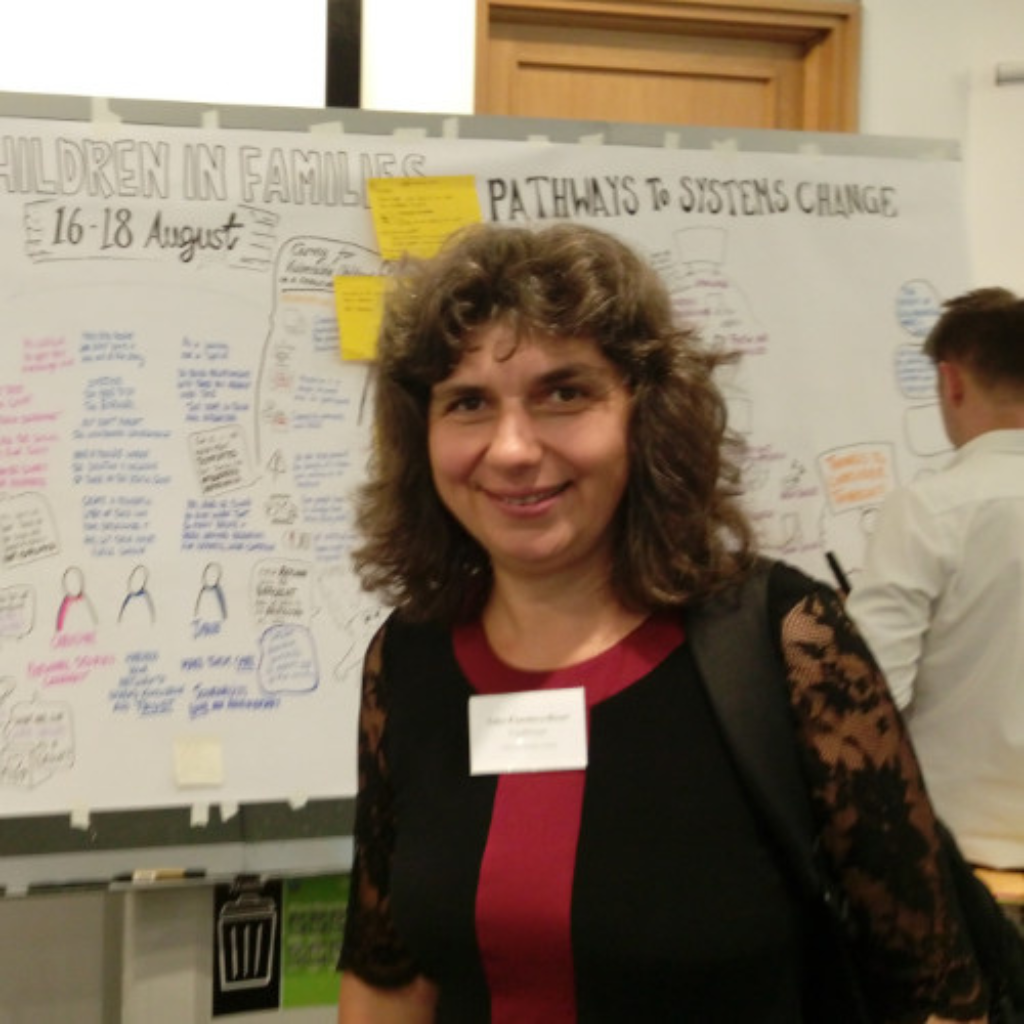 Galina brings over two decades of experience designing and strengthening child protection systems and social services for children and families, particularly in the context of deinstitutionalisation across Central and Eastern Europe. She has developed and delivered training programmes in diverse contexts both within and beyond the region, including in South Africa, Mexico, Nepal, India, Rwanda, and the Kyrgyz Republic.
She has served on advisory committees and contributed to national frameworks supporting governments—primarily in Bulgaria, Moldova, and Ukraine—helping to shape legislation and regulatory systems related to child rights, child protection, and social service development. Her ongoing frontline experience in service delivery and system development informs her contributions to policy design and the establishment of procedural frameworks for gatekeeping and foster care systems that effectively respond to the diverse needs of children, including differences in age, cultural and ethnic background, and special needs.
Otto Sestak
 As Head of Learning and Engagement, Mr. Sestak has worked across diverse international contexts in Europe, India, Eastern and Southern Africa, and Latin America, with a strong focus on capacity building and social workforce development. He has led programmes supporting deinstitutionalisation, systemic reform, and alternative care, and has designed and delivered initiatives focused on family strengthening and care reform.
From 2013 to 2019, he served on the Management Board of Eurochild, contributing to communication strategies and campaigns promoting family- and community-based care across a network of organisations in 34 countries. Mr. Sestak also served as Country Director for Hope and Homes for Children Romania, where he led efforts supporting the country’s transition from institutional care to family- and community-based alternatives. He holds a BA in English and Romanian Language and Literature, an MA in Contemporary European History, is an accredited trainer, and has over 20 years of experience in child care reform and development.
Aniruddha Kulkarni
 Aniruddha Kulkarni is Better Care Network’s Senior Advisor for Evidence and Learning. He is a social worker with extensive experience in child protection, spanning research, evaluation, programme design, implementation, and monitoring. Aniruddha began his child protection career in 2002 in India, focusing on the prevention of and response to trafficking, sexual exploitation, and other child protection issues.
From 2005 to early 2024, he served in various roles at UNICEF in India, Bhutan, and at headquarters in New York City, supporting local and national efforts to strengthen child protection and care reform systems. As the global technical lead on care reform and alternative care at UNICEF Headquarters, he led national, regional, and global initiatives, supporting governments and partners to build prevention and response services, community-led care models, and monitoring and accountability systems. Aniruddha prioritizes a systems-strengthening approach in all his work and most recently managed the global field education portfolio at Boston College School of Social Work.