A Critical Resource at Risk: Supporting Kinship Care During the COVID-19 Pandemic and Beyond
This brief explores kinship care and how this critical resource is at risk now and in the future.
File
This brief explores kinship care and how this critical resource is at risk now and in the future.
The current literature review provides a conceptual and empirical framework for understanding child institutional maltreatment.
This paper provides a summary of laws, policies, and programs pertaining to stepfamilies in a selection of Western countries, with a special focus on the United States.
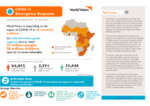
This Africa Regional COVID-19 Situation Report outlines how how World Vision has reached over 18.2 million so far (including 6.9 million children) with their response interventions covering 26 countries on the continent.
The purpose of this study was to evaluate the consequences of criminal justice–related prenatal substance use policies for family reunification and to examine differences in parental reunification by racial/ethnic group.
The purpose of this study was to examine the impact of a peer-delivered detection and active outreach program upon depression and engagement in mental health services among caregivers involved in the child welfare system.
This article describes the challenges in changing policy and practice in the provision of formal alternative care in Indonesia.
The purpose of this study was to capture the association of exposure to prolonged separation from both parents early in life and allostatic load (AL), a measure of biological multi-system dysregulation.
Este documento presenta 10 principios para ayudar a niños/as y familias vulnerables durante la pandemia de COVID-19.
This guidance note has been developed as a framework for minimum preparedness and response actions for a potential increase in the number of unaccompanied or separated children in need of alternative care in Bangladesh.