Video: Supervised independent living in Uganda
This video describes lessons learnt from the use of supervised independent living in Uganda for adolescents and young adult care leavers.
This video describes lessons learnt from the use of supervised independent living in Uganda for adolescents and young adult care leavers.
This paper explores strategies to prevent the separation of children from their families, drawing on evidence from Eastern and Southern Africa. It highlights the importance of strong care systems, holistic family support, and coordinated services to keep children safely within their families and communities.
Supervised independent living involves a child or young person living without an adult but receiving regular supervision, guidance, mentoring and monitoring from an assigned adult mentor. This case study explores lessons learned from three non-governmental organisation (NGO) programmes in Uganda.
Over the past decade, Rwanda has reformed its care system to prioritize family-based care, with recent efforts focusing on supporting children with disabilities through a multi-sector, community-based approach. This short case study explains why this integrated model is important to prevent family separation, outlines the key components of this approach, and provides some lessons learnt from the pilot.
This country care profile provides an overview of key lessons learned in the children’s care reform process in Moldova, including successes, challenges and areas for progress, and gaps in learning and best practice.
Un aspect esențial al misiunii CTWWC, constă în acumularea și prezentarea evidențelor ce vizează reforma sistemului de îngrijire, în special aspectele referitoare la tranziția copiilor din îngrijirea rezidențială și reintegrarea în propriile familii sau plasamentul în îngrijire alternativă de tip familial și prevenirea separării sau reseparării copiilor de familie. Astfel, pentru acumularea informațiilor concludente, CTWWC a efectuat un sondaj al gospodăriilor în rândul familiilor care au beneficiat de suport în cadrul inițiativei, cu scopul de a informa autorităților publice și practicienii care activează în acest domeniu.
This one-page English-language synopsis of the full report in Romanian titled, “Ce putem învăța de la tinerii cu experiență trăită în sistemul de îngrijire din Republica Moldova?” (What can we learn from young people with lived experience in Moldova's care system?), offers a compelling peer-to-peer perspective from 56 young people who transitioned out of Moldova’s care system.
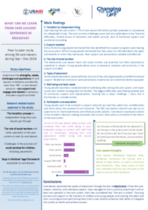
Acest raport prezintă rezultatele unui studiu participativ realizat de rețeaua Youth & Experience (Y&E), fondată de tineri cu experiență trăită în sistemul de îngrijire din Republica Moldova, realizat în perioada septembrie - decembrie 2024 cu participarea a 56 de tineri.

This toolkit guides EU staff on supporting child care and protection system reforms during the EU accession process, drawing on lessons from past experiences. It emphasizes the vital role of civil society in shaping reform priorities and implementing legislation in candidate and potential candidate countries.
In this editorial, The Lancet calls for prioritization of family strengthening efforts and greater societal and political action to invest in early identification of family stressors and remove barriers to family stability well before children are put at risk of harm.