Country Care Review: Sri Lanka
This country care review includes the care-related Concluding Observations adopted by the Committee on the Rights of the Child.
File
This country care review includes the care-related Concluding Observations adopted by the Committee on the Rights of the Child.
The signatories of this open letter (including SOS Children's Villages, Better Care Network, and other partners) seek your support in calling for the 2019 United Nations General Assembly resolution on the Rights of the Child to focus on children without parental care.
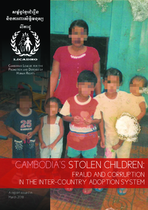
This report from the Cambodian League for the Promotion and Defense of Human Rights (LICADHO) presents the stories of three Cambodian women whose children had been adopted overseas at different times over the last 15 years and exposes corrupt and fraudulent practices in Cambodia's Inter-country adoption system.
This inspection by the Independent Chief Inspector of Borders and Immigration in the UK examined how the Home Office considers the ‘best interests’ of unaccompanied asylum seeking children.
This training package is designed to enable transformative work with children affected by HIV and their caregivers.
This study aimed to investigate the penetration rate of child protection teams (CPTs) in medical institutions and associations between CPT functions and hospital services.
This article aimed to investigate traumas experienced by street children and their coping and resilience strategies used to deal with adversities in a logic of survival, relying on a mixed method approach.
This paper is about child protection issues in Pakistan, one of the South Asian countries in the Indian sub-continent.
Drawing on qualitative data collected from 15 foster siblings and 14 foster parents, this paper presents birth children's experiences with the beginning of foster care, their perceptions of the positive and negative aspects of living with a foster child, and their suggestions for foster parents, foster children, and professionals.