
File
Displaying 51 - 60 of 143
This article from the Christian Science Monitor describes the Zimbabwean government's efforts to promote domestic adoption amidst "the twin crises of HIV/AIDS and a massive economic decline," which have left many children without adequate parental care, and some of the obstacles to building up domestic adoption in the country, including cultural taboos.
This article from UNICEF describes some of the devastating aftermath of Cyclone Idai in Zimbabwe, including the children who lost one or both parents in the natural disaster.
This article discusses the use of Ubuntu theory in social work with children in Africa.
This article is a qualitative phenomenological study seeking to examine the perceptions, views, and feelings of the orphans and vulnerable children (OVC) and their caregivers on their lived experiences in OVC care and support in Zimbabwe.
This paper assesses experiences and challenges faced by the left-behind children (LBC) in Zimbabwe and explores these children’s perceptions of their interactions with teachers through inclusive education practices.
This article shall base its findings on literature review and the professional experiences of the authors deriving from practice observations of the child protection systems in the UK and Zimbabwe.
This phenomenological qualitative study seeks to examine the impact of child rights cultural contestation in supporting OVC in Zimbabwe. The study focuses on the lived experiences, perceptions, feelings and views of OVC and care-givers in the Gutu District of Zimbabwe.
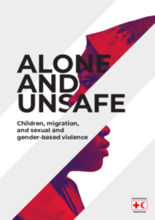
This study seeks to improve understanding of the risks and types of sexual and gender-based violence faced by children who migrate on their own, as well as the unfortunate and widespread gaps in protection and assistance for these children.
This article presents an overview of the Multi-Country Study on the Drivers of Violence Affecting Children (VAC) process – including some of the challenges faced and how these were addressed – and a snapshot of the specific findings which helped stakeholders further their understanding about the drivers of VAC in Zimbabwe and what can be done to address them.
This article focuses on the concept of “family” and family membership from the perspective of care leavers in Zimbabwe.