Displaying 91 - 100 of 243
This paper combines data on the age distribution of current and projected mortality from Ebola with the fertility distribution of adults in Guinea, Liberia, and Sierra Leone, to estimate the likely impact of the epidemic on the number of orphans in these three countries.
This paper provides an overview of the violence perpetrated by gangs and other criminal organizations in Mexico and Central America which compels many children to flee their communities. The paper also describes the US government’s obligations to protect unaccompanied children upon arrival, and good practices of other governments relating to the protection of child migrants and refugees.
This article details the introduction of a livelihood project for unaccompanied children in the Dadaab refugee camp in Kenya, which aimed at strengthening the household economy of foster families and improving the care of fostered children.
The initial goal of the development of these guidelines was to seek to regulate Guardianship and Foster Care of children in Kenya.
This draft from the Liberian government outlines the protocol and guidelines for responding to children's care issues in the context of Ebola, specifically for the Interim Care Centers (ICC) for children who have come into contact with Ebola.
This guidance sets out the steps local authorities should take to plan for the provision of support for looked after children who are unaccompanied asylum seeking children and child victims of trafficking.
This Summary of Research provides a concise overview of a range of studies and findings that can inform approaches to caring for children who, through orphanhood, abandonment, or other causes, have been separated from parental care.
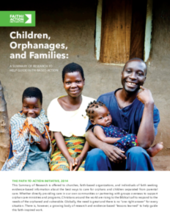
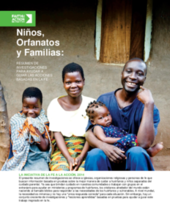
El presente resumen de investigaciones se ofrece a iglesias, organizaciones religiosas y personas de fe que buscan información basada en pruebas sobre la mejor manera de cuidar a huérfanos y niños separados del cuidado parental.
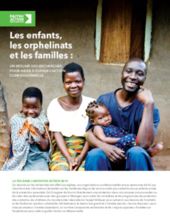
Ce résumé sur les recherches est offert aux églises, aux organisations confessionnelles et aux personnes de foi qui cherchent des informations factuelles sur les meilleures façons de venir en aide aux orphelins et aux enfants privés de la protecti
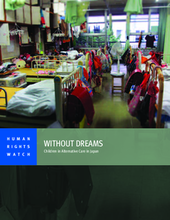
This report by Human Rights Watch examines Japan’s alternative care system for children. It describes its organization and processes, presents current data on the use of different forms of alternative care and highlights the problems found in the institutionalization of most children (including infants), as well as abuses that take place in the system.