Displaying 51 - 60 of 243
This brief reviews alternative care arrangements for unaccompanied and separated children in Uganda, including challenges faced and lessons learned.
This country care review includes the care related Concluding Observations adopted by the Committee on the Rights of the Child and the Committee on the Rights of Persons with Disabilities.
The present research sought to explore the capacity, experience and understanding of local authorities to provide a support system that can best ensure the wellbeing of children, as it has been suggested that outside of the large urban authorities there is limited experience of working with separated children.

The present longitudinal study explored the impact of initial emergency shelter placement on long-term externalizing behavior (i.e., aggression, delinquency) and internalizing symptom (i.e., anxiety, depression) trajectories, and whether kinship involvement moderated the effect of shelter placement on behavioral outcomes.
The Alliance for Child Protection in Humanitarian Action and Better Care Network are calling for the prompt reunification of separated children with their families and to provide interim care in accordance with the UN Guidelines for Alternative Care of Children.
This short video was designed for newly hired child protection in humanitarian action (CPHA) staff, as well as child protection staff who want to learn more about working in emergency settings - and the CPMS in particular.

This study explores Norwegian child welfare workers' perceptions of long‐term cases resulting in emergency placements.
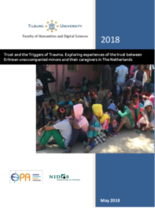
This report focuses on trust relations of Eritrean minors who arrived without the company of their parents to The Netherlands and the people who are taking care of them.
This working paper is based on findings discussed in the project report CURANT: a first evaluation report (Ravn et al., 2018), which focuses on the first impressions and experiences of the young refugees and their local buddies, who entered the project during its first year of implementation.
This is a small-scale study examining the experiences of Aged-Out Unaccompanied Minors (UAMs) who transition from foster care into Direct Provision (DP) in Ireland.