
File
Displaying 1681 - 1690 of 2252
This bulletin is intended for child welfare agency leadership in the US and explores how child welfare agencies can support children who have been victimized as well as children that are at greater risk for future victimization.
This issue focuses on the role of kin and relatives as permanency resources for children in the child welfare system.
In addition to discussing the legal implications of immigration status on foster placements, this article provides promising practices and other tools for those who work closely with immigrant caregivers in the child welfare system.
This study from the Special Issue on Kinship Care of the Child Welfare Journal examined if kinship navigation services can improve family needs, caregiver self-efficacy and placement stability of children in the care of their grandparents or other relatives.
This bulletin for professionals in the child welfare field explores how caseworkers can identify and support children who are victims of human trafficking as well as children who are at greater risk for future victimization.
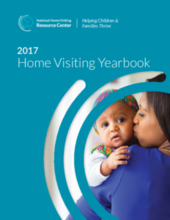
The 2017 Home Visiting Yearbook presents, for the first time, the most comprehensive picture available of home visiting on the national and state levels, revealing the breadth of home visiting in the United States and identifying the gaps in practice.
This document serves as a guide for implementing short-term residential care interventions; grounded in evidence-based practice, the Guide provides "7 essential elements of short-term residential intervention" with case examples from the field in the United States.

Julia Lurie takes an up-close look at the opioid epidemic in the United States, telling the stories of social workers working on child protection cases, parents struggling with addictions, and their affected children.
This study sought to examine the factors associated with the length of foster parenting duration. Study results will contribute to developing implications for successful recruitment and retention policies and practices for foster parents.
The recently Protection of Children Act of 2017 would expedite the process of returning unaccompanied children crossing the U.S. border to their home countries, making them more vulnerable to human trafficking.