Displaying 191 - 200 of 214
A manual primarily concerned with the prevention of separation of children during emergencies. It provides a field-oriented guide to solve problems specific to emergency care and tracing and family reunification of babies and children five years and younger.
Indonesian policy paper on the practice principles for separated and unaccompanied children in an emergency, including guidance on short and long-term care arrangements, tracing, and family reunification
A comprehensive training toolkit for organizations and individuals who are directly involved in child protection and welfare during emergencies. Covers key topics related to children in emergencies, and includes learning points, classroom and field exercises, suggested itineraries and handouts.
A paper with guidelines for keeping children with families and providing proper care and protection for them. It provides examples and plans for those interested in planning care for separated children.
This paper outlines some of the key issues facing separated children, which include physical, protective, psychosocial and guardianship needs. It describes program interventions to prevent separation, to trace and reunify families, to plan interim and long-term care arrangements for separated children.
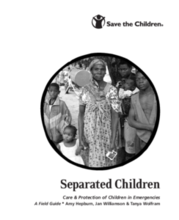
Outlines UNICEF’s initial and follow-up responses in protecting and caring for women and children.

A paper that makes recommendations (based on field work) to the UN, NGOs and governments for a more effective international system to care for internally displaced persons.
Provides guidance on role of humanitarian agencies in ensuring protection and appropriate care provision for separated and unaccompanied childre, with a particular emphasis on preserving family unity and ensuring identification, tracing and reunification is pursued.
This paper presents a set of global policy guidelines for the protection of children without parental care. It recommends the need for a global understanding of best practices within the legal framework of the UN Committee on the Rights of the Child.
A comprehensive framework to ensure that the rights and needs of separated children are effectively addressed. Guidelines aim to promote and support preparedness, coordination and good practice based on lessons learned. Addresses all aspects of an emergency from preventing separations, to family tracing and reunification, through to long-term solutions.