
Displaying 131 - 140 of 214
Thirteen agencies working in Africa have issued a Joint Statement calling on African governments to strengthen their child protection systems to secure the right of children to a life free from violence, abuse, exploitation and neglect in both emergency and non-emergency settings.
This RELAF booklet, Application of the UN Guidelines for the Alternative Care of Children, is a child-friendly guide to the Guidelines of for the Alternative Care of Children meant for children and adolescents to inform them of their right to live with their families and make that right a reality.
This booklet from SOS Children’s Villages International was created for young people to explain in a simple manner the main points of the Guidelines for the Alternative Care of Children approved by the United Nations General Assembly in 2009. The booklet helps its young audience think about the principles of alternative care and what these mean for children and families in different situations.
This handbook, Moving Forward: Implementation of the ‘Guidelines for the Alternative Care of Children,’ is aimed at legislators, policy-makers and decision-makers, as well as professionals and care providers, to support the implementation of the Guidelines for the Alternative Care of Children, endorsed by the United Nations General Assembly in 2009. It explains the key thrusts of the Guidelines, outlines the kind of policy responses required, and describes ‘promising’ examples of efforts already made to apply them in diverse communities, countries, regions and cultures.
This country care review includes the care related Concluding Observations adopted by the Committee on the Rights of the Child as part of its examination during the sixty-second session (14 January- 1 February 2013) of Guyana’s combined second, third and fourth period reports to the Convention on the Rights of the Child, as well as other care-related concluding observations, ratification dates, and links to the Universal Periodic Review and Hague Intercountry Adoption Country Profile.
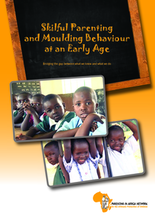
This new study by Parenting in Africa Network (PAN) was conducted in three regions in Kenya (Nairobi, Mombasa and Busia), involving primary care givers of children age 0-8, children participating in Early Childhood Development and Education centers, and stakeholders and professionals involved in skillful parenting and early childhood development.
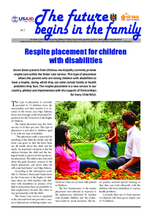
This 10-page newsletter, translated into English, is issue number two of a series produced by the “Protecting children of Moldova from family separation, violence, abuse, neglect and exploitation” project, which is implemented by Partnerships for Every Child, the Ministry of Labour, Social Protection and Family of Moldova, and the Ministry of Education of Moldova.
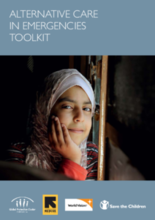
The Alternative Care in Emergencies Toolkit is designed to facilitate interagency planning and implementation of alternative care and related services for children separated from or unable to live with their families during and after an emergency.
This newsletter, translated into English, is the first of three issues produced by the “Protecting children of Moldova from family separation, violence, abuse, neglect and exploitation” project, which is implemented by Partnerships for Every Child, the Ministry of Labour, Social Protection and Family of Moldova, and the Ministry of Education of Moldova.

This is Save the Children's decalogue for child support in emergencies.
