Displaying 181 - 190 of 214
Guidelines for a multi-sectoral response to the most urgent mental health and psychosocial issues in emergency situations.
The Committee on the Rights of the Child held a day of general discussion on 16 September on “Children without parental care”.
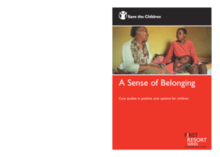
Save the Children's "First Resort" series focuses on the needs and rights of children who, for a wide variety of reasons, are lacking adequate parental care. This third paper in the First Resort series presents practical examples of the range of options available to policy-makers, practitioners and others with responsibilities for the care and protection of children without adequate parental care.
A comprehensive training toolkit for organizations and individuals who are directly involved in child protection and welfare during emergencies. Covers key topics related to children in emergencies, and includes learning points, classroom and field exercises, suggested itineraries and handouts.
A paper with guidelines for keeping children with families and providing proper care and protection for them. It provides examples and plans for those interested in planning care for separated children.
A research study which explores strategies used by children, families and communities to prevent child recruitment into armed forces.
Guidelines for the care of young children separated from their families in emergencies. Includes detailed information on prevention of separation, child registration and documentation, and family reunification.

Examines the use of cash and vouchers to provide people with assistance in emergency situations
Guidance on preventing child separation, interviewing separated children, and programming for their care and protection needs. Contains specific information on temporary and longer term care options.
A guidebook focusing on the assessment to be conducted when an emergency first hits or just after a major event in an armed conflict. Outlines the preparation needs of an assessment team and describes what an assessment should concentrate on.