This section includes resources on the response to the COVID-19 pandemic as it relates to child protection and children's care.
News on COVID-19 and Children's Care
Webinars and Events on COVID-19 Response
Displaying 491 - 500 of 756
This guidance note presents some tips for UNICEF country offices and partners on key considerations when planning to engage with children and adults with disabilities for COVID-19 response.
This webinar provides an overview of the issue of nurturing care during the COVID-19 pandemic, with lessons learned from past emergency contexts, current data on the prevalence of violence against children, presentation of guides and strategies to promote the protection of children and country presentations on strategies being currently implemented.
This booklet from Udayan Care provides guidance on how to ensure the health, safety, and wellbeing of children in child care institutions in India during the COVID-19 pandemic.
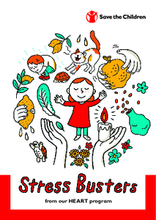
Save the Children is sharing these drama-based relaxation exercises that are part of their global Healing and Education through the Arts (HEART) program for children living in stressful situations.
This resource describes how the IFSW ethical principles can serve as a compass to guide social workers' deliberations during the COVID-19 crisis.

This booklet from Udayan Care provides guidance on how to ensure the health, safety, and wellbeing of children in child care institutions in India during the COVID-19 pandemic.
This one page comic has been created to help children understand more about the Coronavirus.

This one page comic has been created to help children understand more about the Coronavirus.

This joint note is aimed at providing preliminary guidance to national and local authorities, school administrators and staff and implementing partners on how to take short-term measures to support, transform or adapt school feeding programmes in their efforts to safeguard the food security and nutritional status of school-aged children during the COVID-19 pandemic.
This document presents an initial summary of potential GBV risk mitigation actions, based on established good practice, that are starting points to address GBV risks in this unprecedented situation.