Vicarious traumatization among child welfare and child protection professionals: A systematic review
For this study, a review of research literature on the epidemiology of vicarious traumatization among child welfare professionals was conducted.
This chapter will record the views of a small sample of elders (now in their 70s, 80s and 90s), who grew up in Barnardo’s facilities in the UK, on being separated from their siblings and how they re-connected with their brothers and sisters in old age.
This article compares the needs and background characteristics of children who became looked after by an English local authority between April and July in 2019 and the same three months in 2020, with the aim of identifying any impact of the Covid-19 pandemic which broke out in March 2020 and continued for some months thereafter.
This article provides an ethnographic and cross-sectional study of the management of orphanages in one Nigerian city.
This article presents a case study of a young man who participated in the Mission Mentoring Programme - an innovative scheme that supports council employees to become mentors for looked after children - and found it helpful for his transition to adulthood and intended employment.
The present study focuses on experiences of relational tensions and management strategies in family relationships among 18 young adults with foster care backgrounds who participated in interviews.
This study aimed to examine the specific effects of neglect and physical abuse on adolescent aggressive behaviors and to further explore the potential sex-specific effect.
In this article, the author focuses on the experiences of five young “left-behind” girls who were socially isolated because of the COVID-19 pandemic.
This study adopted a phenomenological research design, purposively sampling 26 preteens and teenagers living, during the school term, in a Charitable Children's Institution (CCI) that doubles up as their School and then moving to live with foster families during the school holidays. The focal areas of the field study were the young people's experiences in the CCI, the transition to the foster families, and the young people's experiences in foster care.
This study examined the recurrent maltreatment of American Indian children in foster and adoptive homes, specifically the physical, emotional, sexual, and spiritual abuse subtypes, as well as poly-victimization of American Indian children in comparison to their White peers.
The provision of material assistance, which is widespread in child protection settings, has received negligible scholarly attention. This article aims to describe and conceptualize this underresearched practice and to explore the challenges workers face when implementing it. The study described here included 20 in-depth interviews conducted with social workers working in an innovative Israeli child protection program called Families on the Path to Growth.
For this study, responses from 311 students in out‐of‐home care (OHC) were compared with peers living in birth parent care (BPC) and in single birth parent care (sBPC) in a regional school survey, directed to students in compulsory school eighth year and upper secondary school second year.
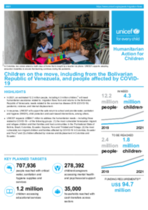
In this World Bank Blog Post, Saskia Blume and Nour Moussa of UNICEF's Children on the Move Team describe how "millions of ‘children left behind’ are taking the brunt of this fallout as their family members who moved internally or abroad in hopes of sustaining them, cut down on remittances" as a result of the COVID-19 pandemic.
This study examines whether increased interaction and observation of young children by school professionals leads to an increase in school-based reports to child welfare authorities and in the identification of child maltreatment victims.
This documentary features China’s first generation of foster children. These young people reveal how they moved on from life in orphanages to achieve success and their foster parents recall their battles to help them overcome prejudice and serious developmental difficulties. The documentary also tells the story of the founding of Care for Children, an organization that has placed almost a million Chinese children from orphanages with local foster families.
With young people at the centre, this inquiry examines the needs and aspirations of young people leaving care and the capacity of the service system to respond to those needs and aspirations. The report makes 15 recommendation to enhance the service system’s capacity to improve the experiences and life outcomes for young people transitioning from care by responding to their needs, challenges and aspirations.
In this report, the UK Local Government and Social Care Ombudsman is highlighting the experiences of children in the care system – and the difficulties they face when councils get things wrong.
In order to address the dearth of information in less developed regions, this article aims to provide an insight into the increased cases of child abuse in Uganda during the COVID‐19 pandemic.
Este documento de CAFO ofrece respuestas a las siguientes preguntas: ¿Qué es la Protección Infantil? y ¿Cómo puede mi programa implementar la protección y seguridad infantil? El documento también presenta estudios de casos.
This webinar was part of Eurochild’s breakfast webinars to mark World Children’s Day 2020. This webinar looked at the intersection between children’s rights and democracy.
This webinar was part of Eurochild’s breakfast webinars to mark World Children’s Day 2020. The webinar looked at how the European Child Guarantee initiative can help address the growing challenge of child poverty, particularly the deepened economic divides that have resulted from the COVID-19 pandemic, and brought the perspective of the Spanish government, which has made the fight against child poverty a particular priority.
This webinar was part of Eurochild's breakfast webinars to mark World Children’s Day 2020. Focusing on the economic arguments for investing in children, this webinar also highlighted Finland’s efforts to prioritise children’s rights and why this makes economic sense.
Eurochild, in partnership with its national members hosted a webinar series to bring a children’s rights perspective to Europe’s recovery. Questions addressed: What is an ‘economy of well-being’ & why & how does it prioritise children? Why is tackling child poverty a pre-requisite to sustainably exit the crisis? Why and how does protecting children’s rights strengthen our democracies?
This report presents the Reintegration Model based on the implementation of a Feasibility Study that aimed to determine whether Malawi's Reintegration Framework would be effective in reintegrating children with their families or other forms of alternative family-based care for children.
This report analyzes data available through the Organization for Economic Cooperation and Development (OECD) Development Assistance Committee (DAC)’s Creditor Reporting System (CRS), which reveals that many mainstream development projects fail to include people with intellectual disabilities, including children. The report includes guidance for ensuring CRPD-compliant project funding, including examples of community living projects that align with the CRPD, such as supporting the transition of people with disabilities from institutions to independent living and providing training for families on supporting their children with disabilities at home.
This Inter-Sectoral Standard Operating Procedure for child protection and family welfare (ISSOP) provides a harmonized framework of agreed standards, principles and procedures for all child protection and family welfare stakeholders in Ghana to understand each other’s roles and responsibilities.
Based on social welfare workforce assessment, a long-term capacity building strategy was developed to assist the Government of Ghana - specifically the Ministry of Gender, Children and Social Protection (MoGCSP) and the Office of the Head of Local Government Service (OHLGS) - to strengthen its social welfare workforce in order to respond appropriately to the needs of vulnerable and marginalized children and other populations in the country.
This webinar, a side event of the Civil Society Organizations (CSO) Forum organized by the African Committee of Experts on the Rights and Welfare of the Child, features a discussion of the challenges of alternative family and community-based care for children without parental care, with a particular focus on funding and coordination of services.
The purpose of this manual is to provide guidance on how to collect and report data on children in formal alternative care in Ghana in a standardised way, and to analyse, present, and make the data available for use.
This document is aimed at complementing the Standard Operating Procedures (SOPs) for Licensing, Monitoring and Closure of Residential Homes for Children (RHC) by supporting the implementation of the closure of RHCs that have not been licensed or do not meet the standards in the SOPs.
The aim of this study is to understand the complexity of child poverty in Ghana by investigating children's access to various goods and services crucial for their long-term development.
The main objective of the Census was to create a database on Street Children that could be used as a platform to enable Government to design relevant policies and spearhead the delivery of services in partnership with NGOs, Civil Society Organisations (CSOs), Community Based Organisations (CBOs), families, communities and other stakeholders, to prevent and/or greatly reduce the phenomenon of Street Children in Ghana.
The aim of this article is to demonstrate how critically oriented research can deliver useful and actionable knowledge directly to the field and promote transformative change.
This video is a recording of the virtual launch of the data collection protocol on children in residential care, held by UNICEF on 3 December 2020.
This article has been developed based on a systematic review of research studies conducted in the last 10 years on family-based childcare systems and a rapid review of research and assessments conducted in 2020 to explore the implications of the COVID-19 pandemic on adoption and foster care in India.
This study consists of interviews with 22 children’s spokespersons in Norway. Study findings question whether children in care proceedings understand the invitation to voice their wishes as confined to matters relating to the proceedings.
This study explored data obtained from surveys of caregivers who had previously adopted or assumed guardianship of a child from foster care in two U.S. states. Descriptive analyses summarized the demographic and wellbeing characteristics of children and families, and multivariate regression models estimated the association between these variables and caregiver commitment.
In this report, the authors review how policy has shaped the experiences and outcomes of children in foster care in the U.S., where policy has succeeded, and where it falls short of achieving its goals. The authors then identify opportunities for U.S. federal and state policy to better support the safety, health, and well-being of children in foster care.
This research aims to explore the connections between the future orientation of disadvantaged young people living in residential care homes and foster families, by a comparative analysis of their study results.
The purpose of this study was to test the feasibility of an intervention created to stimulate the development of children under the age of seven, living in an institution for children without parental care in Bosnia and Herzegovina. The aim of the intervention was to match each child with one volunteer, trained to deliver three hours per week of individually tailored, play-based activities, for a minimum of one year.
This new UNICEF Innocenti report explores how the social and economic impact of the pandemic is likely to affect children; the initial government responses to the crisis; and how future public policies could be optimized to better support children.
This call to action - issued by a coalition of child rights organisations including Hope and Homes for Children, Lumos, Eurochild, and SOS Children's Villages - calls on the Ukrainian government and the European Union to "act before it is too late to protect the rights and future of some of the most forgotten and left behind children."
This article reports the results of a systematic review of evidence relevant to the relationship between the ‘toxic trio’ factors in combination and child maltreatment, identifying 20 papers.
This study is about international kinship care arrangements in Ethiopia, focusing on Ethiopian children who applied for an Australian Orphan Relative Visa.
The current study seeks to address the lack of literature including voices of mental health clinicians regarding their work and clients in the child welfare system by exploring clinicians’ views on the issue of child maltreatment and CPS-involved parents’ parenting.
This study, the largest of its kind in Canada, examines when and for whom recurring conditions of neglect were most likely to occur for all children involved with child protection in the province of Quebec over a span of fifteen years.
This paper is a narrative review examining the high prevalence of care leaver early parenting in the context of (i) key transitions from care studies taken from the last few decades, (ii) a structured review using Scopus of studies from 2015–2020 focussed specifically on young people transitioning from care and early parenting and (iii) Boss’s (2010) Ambiguous Loss theory.
This article presents the content concerning foster care as the tasks of the district government: the types of foster families, legal and organizational aspects of this form of care and the essence of the organization of foster care at county level are discussed.
The subject of investigation in this study is the principles of foster care, including the assumptions and solutions.
This article deals with the issues of family assistance from the perspective of working with the biological family of a child placed in foster care.
This article presents a study conducted amongst young adults between the ages of 19–35. The aim was to determine the relationship between the information about foster care families and the attitude of young adults towards them.
This paper discusses how research related to youth with experience in foster care can be conducted in an emancipatory manner with researchers actively supporting the liberation of youth with experience in foster care through their scholarly contributions.
This paper aims to describe how a sense of normalcy for young people in foster care can be critical to their well-being.
This report (translated into Bahasa Indonesia) has one central purpose: To raise the alarm globally as to the catastrophic impact of the COVID-19 pandemic on persons with disabilities worldwide, including children with disabilities, and to catalyse urgent action in the weeks and months to come.
This report has one central purpose: To raise the alarm globally as to the catastrophic impact of the COVID-19 pandemic on persons with disabilities worldwide, including children with disabilities, and to catalyse urgent action in the weeks and months to come.
This chapter from the book Racial Disproportionality and Disparities in the Child Welfare System explores disproportionality and disparities of Asian American and Native Hawaiian/Pacific Islander in the child welfare system.
This scoping review focuses on available research articles that directly, or indirectly, engage with children to explore their experiences of living in Residential Care Settings (RCSs) in the Southeast Asia region.
The overrepresentation of black children in the foster care population represents massive state supervision and dissolution of families concentrated in their neighborhoods. This chapter from Racial Disproportionality and Disparities in the Child Welfare System addresses the social impact of this concentration of child welfare agency involvement on the residents who live in these neighborhoods.
Este artículo explora las prácticas institucionales que facilitan u obstaculizan la protección de derechos de niños, niñas y adolescentes en el sistema de protección de la niñez en Honduras a través de sus diferentes etapas.
In this commentary, the authors suggest that a focus on short-term risk in the response to COVID-19 may obscure support for children’s long-term outcomes.
This chapter from Racial Disproportionality and Disparities in the Child Welfare System focuses on the macro level exploring the child welfare system as an explanatory factor using a critical race theory lens.
This paper examines international and Australian literature to identify the key areas of support that may help young people to successfully transition from care.
This chapter from Racial Disproportionality and Disparities in the Child Welfare System explores the factors contributing to the disproportionate number of Black children and families in the U.S. child welfare system.
This volume examines existing research documenting racial disproportionality and disparities in child welfare systems, the underlying factors that contribute to these phenomena and the harms that result at both the individual and community levels.
This How We Care series examines how three of Family for Every Child's Members are promoting the effective integration and reintegration of children on the move through their programming.
This brief looks at the rapid rise of advanced analytics and explores the controversies, ethical challenges and opportunities that it creates for youth- and family-serving agencies. It also presents four principles for identifying effective and equitable advanced analytics tools.
The purpose of this study was to conduct a qualitative process evaluation drawing on stakeholder perspectives to describe the logic model of Fostering Changes, identify potential mechanisms of impact of the program and enhance understanding of the trial results.
The purpose of this study was to characterize infant entries to care in England.
This study evaluates the association between children placed in out-of-home care and neighborhood-level factors using eight years of administrative data.
The aim of this cluster randomized controlled trial (RCT) was to test the effectiveness of a contact intervention for parents having supervised contact with children in long-term OOHC.
The purpose of this study was to enhance understanding of restrictive interventions in residential units as a means of improving professional practices involving children and youth in out-of-home care.
The RIC (Risk Indication in Child sexual abuse) and its screening version (RIC:SV) are actuarial risk assessment instruments, developed at the Austrian Federal Evaluation Centre for Violent and Sexual Offenders and designed for child protection services to assess the likelihood of sexual recidivism in male contact child sexual abusers who still or again live within a family including children.
This study builds upon and enhances existing knowledge by exploring the moderating role of social support from educators in residential care and the association between perceived rights and psychological difficulties.
The current paper aims to suggest a framework for risk and protective factors that need to be considered in child protection in its various domains of research, policy, and practice during and after the COVID-19 pandemic.
The present study examined how emotional abuse and emotional neglect-exposure in adolescence uniquely related to psychological symptoms and social impairment.
Informed by developmental perspectives that consider young people's development through participation across contexts in everyday life and by research into how parents in ‘ordinary’ families organize care, the authors of this article developed a study based on interviews with 15 unaccompanied refugee minors and their professional caregivers at residential care institutions.
This report sets out the findings from the most comprehensive study of attitudes towards bringing up children from conception to 5 years ever undertaken in the United Kingdom.
The Scottish Children’s Rights and Inclusion Strategy aims to ensure children feel able to speak openly and honestly in hearings, and that their views are given real weight in the decision making process.
In order to fully understand the relationship between privacy and confidentiality in the Children’s Hearings System, this research explored three broad questions: (1) How privacy and confidentiality impact on the participation of young people and their parents and carers in the Children’s Hearings System, (2) What is the relationship between advocacy and privacy and confidentiality, (3) And what solutions could be found to help young people and their parents and carers be heard and involved in decision making.
This report presents findings in relation to the purpose, frequency, and variation in the use of Section 25 orders in Scotland, which enable parents, supported by social workers, to voluntarily place their child to secure their safety, into the care of a local authority away from the parental home.
This Practice Note clarifies the legislative requirements in Scotland when undertaking a Welfare Assessment to support planning for a looked after young person to ‘stay put’ in a care placement under Continuing Care arrangements.
This independent evaluation found that the Pause Programme - which supports local practices to deliver relationship-based support to women who have experienced removal of at least one child and are judged to be at risk of further removals of children - is effective in making a positive difference in women’s lives, improving their relationships with children, reducing rates of infant care entry in local areas and delivering cost savings for local areas.
This briefing summarises the current evidence (at time of writing) from Scotland and the UK on the impact of the Covid-19 pandemic on the wellbeing of children, young people and families, including those with vulnerabilities and those experiencing disadvantage or discrimination.
Family Matters reports focus on what governments are doing to turn the tide on over-representation of Aboriginal and Torres Strait Islander children in out-of-home care and the outcomes for children. They also highlight Aboriginal and Torres Strait Islander-led solutions and call on governments to support and invest in the strengths of Aboriginal and Torres Strait Islander peoples to lead on child wellbeing, development and safety responses for our children.
This article, thanks to data collected by family associations, intends to investigate multiple intersectionality of students with adoptive background by highlighting the most important problems, the school’s and healthcare’s interventions to address those problems and the possible additional and complementary actions that can be put into place to encourage inclusion and integration of disabled students with adoptive and ethnically different backgrounds.
The purpose of this study was to assess trends in inequalities in Children Looked After (CLA) in England between 2004 and 2019, after controlling for unemployment, a marker of recession and risk factor for child maltreatment.
No reconocimiento de Kafala constituida entre ciudadanos marroquíes a efectos de adopción. Antecedentes y alcance de la prohibición contenida en el artículo 19.4 de la Ley de adopción internacional.
In this study, data derived from 17 qualitative face-to-face interviews are used to explore the lived experiences of Indigenous mothers affected by domestic and family violence (DFV) in Australia.
Using survey data provided on youths’ social networks, this study identified 378 informal mentoring relationships provided to 113 former and current foster youth preparing to enter a four-year university.
This paper explores how pediatricians can support families who care for children and adolescents who are fostered and adopted while attending to children’s medical needs and helping each child attain their developmental potential.
This systemic scoping review will provide a succinct synthesis of the current literature on Black disproportionality and disparity in child welfare.
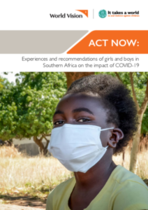
Key findings from this report demonstrate that due to the negative impact of the outbreak, the vulnerability of the households further increased and already existing dangerous coping strategies such as child labor, child marriage and decrease of food consumption have been worsened by financial insecurity for families and losses of household income.
The current study investigated the effects of parental emotional neglect on left-behind children’s externalizing problem behaviors, the mediating role of deviant peer affiliation, and the moderating role of beliefs about adversity in the association between parental emotional neglect and left-behind children’s externalizing problem behaviors.
This article focuses on examining the impact of the COVID-19 pandemic and its socio-economic consequences on children in adversity in India, describing the increased child protection and psychosocial risks they are placed at, during and in the immediate aftermath of the COVID-19 crisis and its lockdown situation.
This research aimed to provide a systematic review of the evidence on the COVID-19 pandemic’s impact on youth mental health.
This publication draws on pre-COVID data to highlight how children with disabilities face greater risks in the midst of this pandemic.
This series of country briefs aims to provide an analysis of children’s living and care arrangements according to the latest available data from Demographic and Health Surveys (DHS) or Multiple Indicators Cluster Surveys (MICS) at the time of publication.
This country brief is part of a series that aims to provide an analysis of children’s living and care arrangements according to the latest available data from Demographic and Health Surveys (DHS) or Multiple Indicators Cluster Surveys (MICS) at the time of publication.