Residential Care of Children: Comparative Perspectives
Each “case study” chapter in this book provides a rich description of the development, current status, and future of residential care in countries from Brazil to Botswana.
Each “case study” chapter in this book provides a rich description of the development, current status, and future of residential care in countries from Brazil to Botswana.
The aim of this study was to explore the experiences of residential care from the perspectives of a group of young people who had lived in residential childcare institutions in Bangladesh with a view to making improvements in residential childcare in the future.
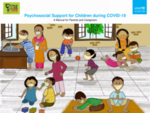
In the context of COVID-19, this manual focuses on psychosocial care of children and prevention of violence in spaces where children stay (child care institutions, families, temporary isolation facilities, NGO shelters, etc.)
This issue brief addresses the following questions: What are family resource centers? What are the defining characteristics of a family resource center? What do we know about the effectiveness of family resource centers in reducing child welfare involvement? What is the return on investment? What is missing from the research literature?
This TACTYC funded research highlights the role that Maintained Nursery Schools (MNS) play in supporting families within areas of extreme social deprivation in the UK.
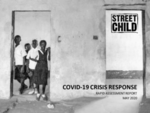
This rapid assessment was conducted with 12,100 respondents across 13 countries, aimed at understanding the needs and gaps in assuring assistance for affected children and communities during the COVID-19 crisis.
Ce rapport souligne que, bien que les enfants ne représentent pas un groupe à haut risque en terme de mortalité directe due à la COVID-19, la pandémie a des impacts secondaires de grande envergure qui augmentent les risques pour les droits et le bien-être des enfants africains.
This policy paper by Save the Children outlines some of the main threats the COVID-19 pandemic poses to children in Africa and suggests some of the political and programmatic responses to protect children’s rights.
This open letter calls on national governments and multilateral institutions to work immediately to strengthen ‘child protection in COVID-19’ response frameworks and to provide sufficient donor support to implement these responses effectively.