Displaying 441 - 450 of 476
This report is based on interviews with more than fifty street children in the Democratic Republic of Congo––children who might not necessarily be without families, but who live without meaningful protection, supervision, or direction from responsible adults.

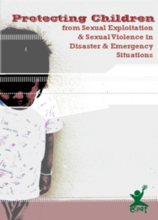
A practical guide for local and communtiy based organizations about how to protect children from sexual abuse and exploitation in disaster and emergency situations.
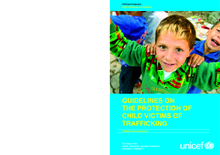
General principles for the protection of trafficked children. Guidance is given on identification, appointment of a guardian, registration, interim care, case assessment, durable solutions, access to justice, costs, and research issues.
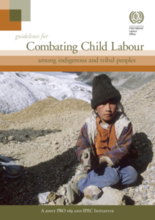
Guidelines to address the specific needs and rights of indigenous children in the context of child labour. Includes a comprehensive list of follow-up resources.
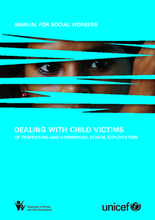
Guidance on the formation of multidisciplinary teams for the provision of services to child victims of abuse and trafficking.
Standards for shelters and care providers responding to children who have been trafficked. It gives guidance and practice examples of intake procedures, interim and longer term care, support services, integration and reunification
A literature review of HIV vulnerability in Vietnamese children. Includes analysis of current gaps in related research.
Operational standards and guidance for residential care facilities for girls and women survivors of trafficking and abuse. It covers administration and staff, confidentiality, care planning, responding to immediate and longer term support needs, psychosocial care, life skills and reintegration activities.
A comprehensive guide to conducting medical examinations, particularly age determination tests, in medico-legal cases of child victims of trafficking and commercial sexual exploitation.
A comprehensive guide to the rescue, rehabilitation and reintegration of child victims of trafficking and commercial sexual exploitation.