IKLAN Pengasuhan Keluarga Save the Children YSTC 1
This video highlights the importance of keeping children with families.
This video highlights the importance of keeping children with families.
On December 19, 2016, the UN Generally Assembly adopted the resolution on the Follow-up to the twentieth anniversary of the International Year of the Family and Beyond.
This video discusses the challenges social workers face in placing children for adoption in South Africa.
This publication explains the impacts of HIV/AIDS on orphans and vulnerable children in the family and community-based care, households and communities; needs of orphans and vulnerable children and responses in the educational system; psychosocial impact on children and youth; human rights of children affected by HIV/AIDS; and religion and responses to orphans and vulnerable children.
This document discusses how there is increasing international mobilization around the importance of family care for optimal child development.
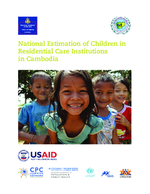
This document discusses the means by which the Council for the Administration of Criminal Justice and Youth Protection in the Netherlands (the Council) can provide the highest level of protection for children placed in the intercountry adoption focus group.
เอกสารฉบับนี้แผนที่จำนวนของเด็กที่อาศัยอยู่ในสถาบันการศึกษาทั่วโลก ประมาณหนึ่งทำให้รวมถึงแปดล้านบาทแม้ว่าช่องว่างที่กำหนดในระดับโลกและสถิติบ่งชี้ว่ามีหลายบ้านของเด็กที่ไม่ได้จดทะเบียนของตัวเลขที่แท้จริงอาจจะดีที่สูงขึ้นมาก
Esta publicación muestra el número de niños que viven en instituciones de todo el mundo.
Тази публикация карти на броя на децата, живеещи в институции по целия свят.
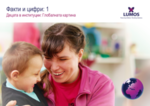
Tato publikace mapuje počet dětí žijících v ústavech po celém světě.