Displaying 31 - 40 of 214
The origin story of the Catholic Church in the United States includes a dependency on slave labor and sales to sustain itself and build its institutions.

This paper investigates the effects of a migration control policy in mega cities after 2014 in China on parent–child separation.
Using caregiver survey data, this study examined the following questions: (1) What is the prevalence of children or youth living apart (LA)? (2) What are the risk and protective factors at child and family levels that are associated with LA? (3) What is the nature of the relationships between family members among those who have experienced LA? This study re-purposed data from surveys of adoptive parents and guardians of children formerly in foster care in four U.S. states.
This introductory learning module has been developed by the Alliance for Child Protection in Humanitarian Action. The learning module is designed to strengthen participants' overall understanding of prevention related elements from the UASC Handbook and Toolkit and the ACE Toolkit.
This article examines the effects of removing children to out-of-home settings both for reasons of child abuse and/or neglect and due to custody disputes on personal, familial and social aspects of the lives of Arab mothers in East Jerusalem.
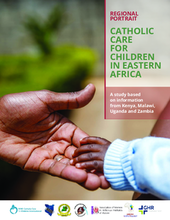
This regional portrait describes Catholic-sponsored care for children in Eastern Africa using data from Kenya, Malawi, Uganda and Zambia. The first large study of its kind, it focuses on children who are particularly vulnerable—those at risk of or those who have been separated from their families. Many are in institutional care. This portrait also describes growing efforts, led by women and men religious, to ensure children can grow up in safe, nurturing families or family-like environments rather than institutions.
Maud de Boer-Buquicchio, CHIP President, discusses the measures in place to ensure that the many children that crossed the Polish/Ukraine border alone travelled with identity documents that would allow them to access child protection measures as they proceed on their journey.

This CTWWC brief describes the family strengthening approach and the people who work with families and children. It shares reflections from facilitators of parenting sessions and the caregivers, themselves.
This webinar was organized by India Alternative Care Network (IACN) in association with Miracle Foundation India, on April 28, 2023, with the objective to understand gatekeeping, it's components, tools, mechanisms, stakeholders and their role in gatekeeping and learning some promising practices at the primary and secondary levels of gatekeeping.

This document makes the case for the importance of investing in family strengthening in countries across Central and Eastern Europe and Central Asia. It has a particular focus on support for families so that any unnecessary separation of children from their families and placement in alternative care can be prevented.