Working with Parents of Young Children
This course is a resource for parents or those who work with parents of young children to support them to provide brain-building experiences and nurturing care.
This course is a resource for parents or those who work with parents of young children to support them to provide brain-building experiences and nurturing care.
This workshop draws upon content from the Nurturing Care Framework, the Science of Early Child Development and the Beginning of Life film, to walk participants through why investing in early childhood is so important, including scientific and economic evidence.
This brief, developed by the Early Childhood Workforce Initiative (ECWI), highlights common approaches parenting programs are using to continue engaging with families during the COVID-19 pandemic, including transitioning to deliver services virtually and adapting to provide enhanced psychosocial support.
The Guidelines for the Alternative Care of Children were endorsed by the United Nations General Assembly on 20th November 2009, in connection with the 20th anniversary of the UN Convention on the Rights of the Child.
În temeiul art. 4 alin. (6) și art. 6 din Legea nr. 315/2016 privind prestațiile sociale pentru copii (Monitorul Oficial al Republicii Moldova, 2017, nr. 19-23, art. 56), cu modificările ulterioare, Guvernul HOTĂRĂŞTE:
1. Se aprobă:
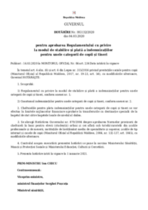
În scopul executării art. 20 din Legea nr.140 din 14 iunie 2013 privind protecţia specială a copiilor aflaţi în situaţie de risc şi a copiilor separaţi de părinţi (Monitorul Oficial al Republicii Moldova, 2013, nr.167-172, art.534), Guvernul HOTĂRĂŞTE:
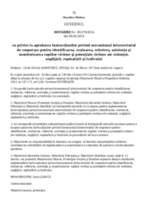
În scopul executării art. 20 lit. c) din Legea nr. 140 din 14 iunie 2013 privind protecţia specială a copiilor aflaţi în situaţie de risc şi a copiilor separaţi de părinţi (Monitorul Oficial al Republicii Moldova, 2013, nr. 167-172, art.
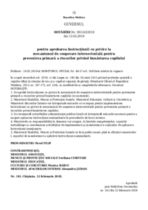
În scopul implementării prevederilor Legii asistenţei sociale nr.547-XV din 25 decembrie 2003 (Monitorul Oficial al Republicii Moldova, 2004, nr.42-44, art.249), cu modificările și completările ulterioare, Guvernul HOTĂRĂŞTE:
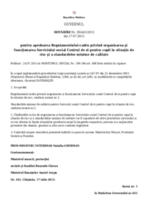
În scopul realizării prevederilor Convenţiei Internaţionale cu privire la drepturile copilului, la care Republica Moldova a aderat prin Hotărîrea Parlamentului nr.408-XII din 12 decembrie 1990, Convenţiei Organizaţiei Naţiunilor Unite privind drepturile persoanelor cu dizabilităţi, ratificate de